
Discover the Art and Craft of Pottery: A Comprehensive Guide
By Halima Ferreira · · 4 min read
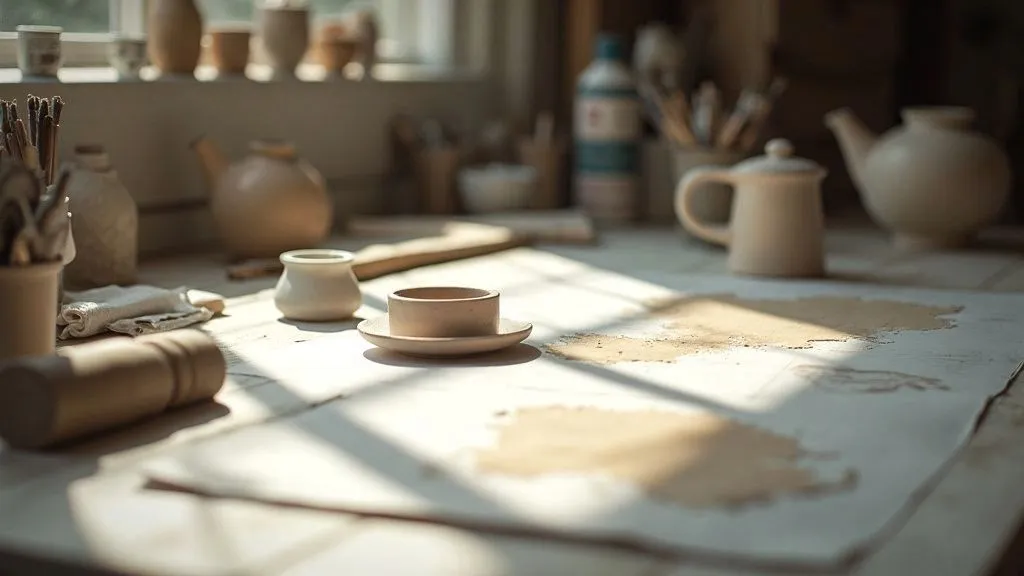
Pottery has been a cherished craft for thousands of years, transcending cultures and generations. It offers not only a creative outlet but also a hands-on connection to the essence of earth and water. Here, we will explore various aspects of pottery, including its history, techniques, essential tools, and the therapeutic benefits of creating with clay.
A Brief History of Pottery
Ancient Beginnings
The origins of pottery can be traced back to prehistoric times. Archaeological findings suggest that early humans created the first pots around 29,000 BCE in what is now the Czech Republic. These primitive vessels were primarily used for storage and cooking, showcasing the ingenuity of early civilizations.
As cultures developed, so did pottery techniques. The invention of the potter’s wheel in Mesopotamia around 3,500 BCE revolutionized the craft, enabling artisans to create symmetrical and refined shapes. Over the centuries, various cultures, from the Greeks to the Chinese, have contributed to the evolution of pottery, each adding unique styles and methods.
Cultural Significance
Pottery is not just a functional art form; it also holds cultural significance. Different regions have distinct pottery styles that reflect their values, traditions, and even social hierarchies. For instance, Native American pottery often features intricate designs that tell stories or represent the community’s history. In contrast, Japanese pottery emphasizes simplicity and harmony, a reflection of Zen philosophy.
Techniques in Pottery
Hand-Building
Hand-building is one of the oldest pottery techniques, involving the creation of pieces without a potter’s wheel. This method provides artists with a greater sense of control and allows for the construction of unique shapes. The three primary hand-building techniques are:
- Pinching: A simple method where the potter pinches a ball of clay to form vessels, such as bowls or cups.
- Coiling: This involves rolling clay into long ropes and stacking them to create larger forms. Coiling allows for creative freedom in shaping.
- Slab Building: In this technique, flat slabs of clay are cut and assembled to create various structures. It is often used for more geometric designs.
Wheel-Throwing
Wheel-throwing is a popular technique that utilizes a potter’s wheel to shape clay. This method allows for greater precision and is ideal for creating symmetrical pieces. The process involves centering a ball of clay on the wheel, then shaping it into the desired form while the wheel spins. Mastering wheel-throwing requires practice, patience, and an understanding of clay dynamics.
Firing
Once a piece is shaped, it must undergo the firing process. This involves placing the pottery in a kiln, where it is heated to high temperatures to harden the clay. There are two main types of firing:
- Bisque Firing: This initial firing removes moisture from the clay and sets its shape, making it more durable for glazing.
- Glaze Firing: After applying glazes for color and finish, a second firing is conducted. This high-temperature firing melts the glaze, creating a glass-like surface that enhances both aesthetics and functionality.
Essential Tools for Pottery
Creating pottery requires specific tools that aid in shaping, decorating, and finishing pieces. Here are some essential tools every potter should consider:
Pottery Wheel
A pottery wheel is crucial for those interested in wheel-throwing. It allows for smooth and consistent shaping of clay, making it easier to create uniform pieces.
Clay Tools
Various clay tools assist potters in shaping and detailing their work. Essential tools include:
- Wire Cutters: Used for cutting clay and removing pieces from the wheel.
- Ribs: These help smooth and shape the surface of the clay.
- Wooden Modeling Tools: Useful for carving and detailing intricate designs.
Kiln
A kiln is necessary for firing pottery. Depending on your needs, kilns vary in size and type, from electric kilns for home use to larger gas or wood-fired kilns for professional studios.
Glazing Supplies
Glazes can transform the appearance of pottery, adding color and texture. Supplies include:
- Glaze Brushes: For applying glaze evenly.
- Sifters: To ensure that the glaze is mixed smoothly without lumps.
- Glaze Sprayers: For more intricate glazing techniques.
The Therapeutic Benefits of Pottery
Engaging in pottery is not only about creating functional or artistic pieces; it also provides significant mental health benefits. The act of molding clay can be a meditative experience, promoting relaxation and mindfulness. Here are some notable benefits:
Stress Relief
Working with clay can serve as a form of stress relief. The repetitive motion of kneading and shaping clay can have a calming effect, allowing the mind to drift and focus solely on the creative process.
Improved Focus and Concentration
Pottery requires concentration and attention to detail. As one immerses in the craft, distractions fade away, helping to improve focus and mindfulness.
Creative Expression
Pottery offers a unique outlet for self-expression. Artists can convey their emotions, experiences, and thoughts through their work, providing a sense of fulfillment and accomplishment.
Conclusion
Pottery is an ancient art form that continues to captivate individuals around the world. Whether you’re drawn to its rich history, the variety of techniques, or the therapeutic benefits it offers, there is something inherently rewarding about working with clay. As you embark on your pottery journey, remember that every piece you create is a reflection of your unique artistry and connection to this timeless craft. Embrace the process, experiment with various techniques, and enjoy the profound satisfaction that comes from shaping something beautiful from the earth.