
The Art of Pottery: Merging Tradition with Modern Sustainability
By Halima Ferreira · · 6 min read
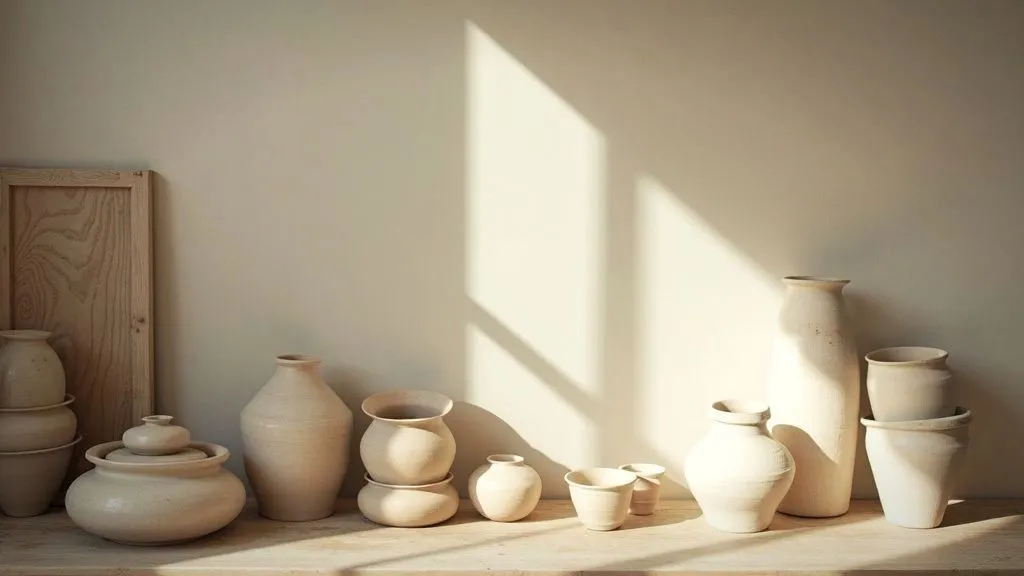
In recent years, modern pottery has experienced a resurgence, fueled by an increasing awareness of sustainability and the desire for unique, handcrafted items. The revival of this ancient craft goes beyond the pursuit of aesthetic appeal; it embodies a lifestyle choice that challenges consumers to think critically about their habits and the materials they use. This article delves into the intricate relationship between modern pottery and sustainability, exploring how this traditional art form is being adapted for the present day.
Pottery has been a part of human civilization for thousands of years. From the earliest clay vessels crafted by our ancestors to the exquisite art pieces and functional wares of today, the evolution of pottery reflects changes in culture, technology, and values. The modern pottery movement incorporates not just traditional techniques but also contemporary perspectives on environmental responsibility and mindful consumption.
A Historical Perspective on Pottery
To understand the significance of modern pottery, one must first appreciate its roots. Archaeological findings trace pottery back to around 29,000 BCE, with the earliest known ceramics found in the Venus of Dolní Věstonice—a Czech site. For millennia, cultures around the world have utilized pottery for functional, decorative, and ceremonial purposes, from the intricate designs of ancient Greek amphorae to the simple, utilitarian forms of Native American pottery.
Throughout history, pottery has served practical purposes: storage, cooking, and even art. The craft evolved alongside societal changes—industrialization, globalization, and even shifts in artistic movements. Today, craft revivalists are focusing on traditional methods, rejuvenating the craft with a new appreciation for both its history and its relevance in a modern context.
The Rise of Modern Pottery
The contemporary pottery movement can be traced to various influences. A significant factor is the minimalist aesthetic popularized by social media platforms like Instagram and Pinterest. Users are drawn to visually striking, handcrafted pieces by artisans who showcase their work online. This digital presence allows potters to reach audiences far beyond their local markets, fostering communities of enthusiasts and collectors.
According to the National Endowment for the Arts, craft forms, including pottery, have seen a notable increase in interest over the past decade. In a report published in 2020, the NEA stated that 50% of American adults participated in some form of arts and crafts activity, with ceramics being one of the most popular mediums. This surge in interest is directly tied to a growing appreciation for handmade, personalized goods over mass-produced items.
Sustainability: A Pillar of Modern Pottery
The ethos of sustainability is central to the philosophy of many modern potters. The environmental crisis we face today has prompted a reevaluation of traditional practices and a push towards more eco-friendly methods. Potters are increasingly committed to using locally sourced clay, natural glazes, and sustainable firing techniques, reducing their carbon footprint and the environmental impact of their work.
A significant aspect of sustainable pottery involves the materials used in the creation of ceramic wares. Many modern potters are opting for non-toxic, eco-friendly glazes, moving away from traditional materials that may contain harmful chemicals. For instance, lead-based glazes, common in older pottery, are being replaced with natural mineral glazes. This transition not only benefits artisans and their clients but also supports the environment by minimizing toxic waste.
Expert Insights on Sustainability in Pottery
To gain a deeper understanding of how sustainability is reshaping modern pottery, I reached out to several industry experts. According to Dr. Jane Holloway, a ceramics expert and educator at a leading art institute:
“The shift towards sustainability in pottery isn’t just a trend; it’s a necessity. As artists, we have a responsibility to consider the impact of our materials and processes on the environment. The modern potter is not just crafting beautiful pieces; they are engaging in a dialogue about sustainability and ethical practice.”
This sentiment is echoed by established potters like Mark O’Brien, who emphasizes the importance of ‘slow craft’ as a reaction against consumer culture. He states:
“In our fast-paced society, many have lost the connection to the methods behind the products they consume. By embracing slow craft and traditional techniques, we not only create lasting works of art but also encourage consumers to appreciate the value of handmade items.”
The Balance Between Tradition and Innovation
Though many modern potters are returning to traditional techniques, they are also integrating innovative practices that resonate with contemporary audiences. 3D printing and digital design are gaining traction within the pottery community, allowing artists to merge age-old craftsmanship with modern technology. While this may seem counter to the ethos of handcrafting, it opens up new avenues for creativity and expression, enabling potters to design unique forms that might be impossible to achieve by hand alone.
However, this integration of technology does raise questions. Some purists argue that the essence of pottery lies in the tactile experience and skill inherent in handcrafting. To them, 3D printing may dilute the art form’s authenticity. Yet, as potter Lisa Kearney argues:
“Technology is just another tool in our arsenal. It allows us to explore new forms and ideas while still maintaining the heart and soul of the craft. The blending of traditional and modern methods can lead to exciting possibilities.”
Community and Collaboration
Another cornerstone of the modern pottery movement is the sense of community that often surrounds it. Pottery studios are increasingly becoming hubs for collaboration, where artists share ideas, techniques, and equipment. Workshops, community events, and exhibitions provide opportunities for potters to showcase their work and foster connections with other creators and the public.
Furthermore, the rise of pottery as an engaging hobby has led to a renaissance of interest in local artisans. Many people are now more inclined to support small businesses and independent artists over larger corporations. This shift not only enriches local economies but also nurtures a sense of community and pride in craftsmanship.
Challenges Facing Modern Potters
Despite the many positives, modern potters encounter challenges as they navigate the complexities of sustainability and market demands. One significant hurdle is the cost of sustainable materials, which can be higher than industrial alternatives. Potters like Sarah Johnson emphasize that:
“While we strive to use eco-friendly materials, the financial burden can be overwhelming. Many of us operate on tight budgets, and the premium on sustainable supplies can make it hard to stay afloat.”
This economic reality forces potters to strike a balance between their commitment to sustainability and the necessity of profitability. Some are choosing to offer a mix of sustainable lines alongside more affordable options, allowing a broader range of consumers to access their work.
The Consumer’s Role
The consumer plays an integral role in shaping the landscape of modern pottery. As buyers become more conscious of their choices, they are increasingly supporting artisans who prioritize sustainability. Ethical consumption is now a powerful trend, with a growing demand for pottery that reflects a commitment to eco-friendliness.
However, consumers must also navigate the complexities of purchasing handmade goods. It’s crucial to engage with potters directly, asking questions about their materials and methods. This interaction not only fosters transparency but also strengthens the connection between the artist and the consumer.
Conclusion: The Future of Modern Pottery
As we look to the future, the intersection of modern pottery and sustainability will likely continue to evolve. The craft is not merely a relic of the past but a vibrant form of expression that speaks to contemporary values. Ceramicists are redefining what it means to create in a sustainable way while maintaining the traditions that have informed the craft for millennia.
The challenge lies in balancing respect for traditional artistry with the necessity for innovation and environmental stewardship. As Dr. Holloway aptly puts it:
“Pottery is a living art form. It grows and changes with society. The modern potter is tasked with ensuring this art can thrive sustainably.”
In embracing sustainability, the future of pottery is bright, promising not only beautiful creations but also a deeper understanding of our relationship with the environment and the importance of craftsmanship in a world too often driven by mass production. As we continue to support and nurture this vibrant community, we can look forward to a landscape enriched by creativity, responsibility, and tradition.