
Exploring the Timeless Craft of Cider Press Pottery: A Blend of Function and Art
By Halima Ferreira · · 4 min read
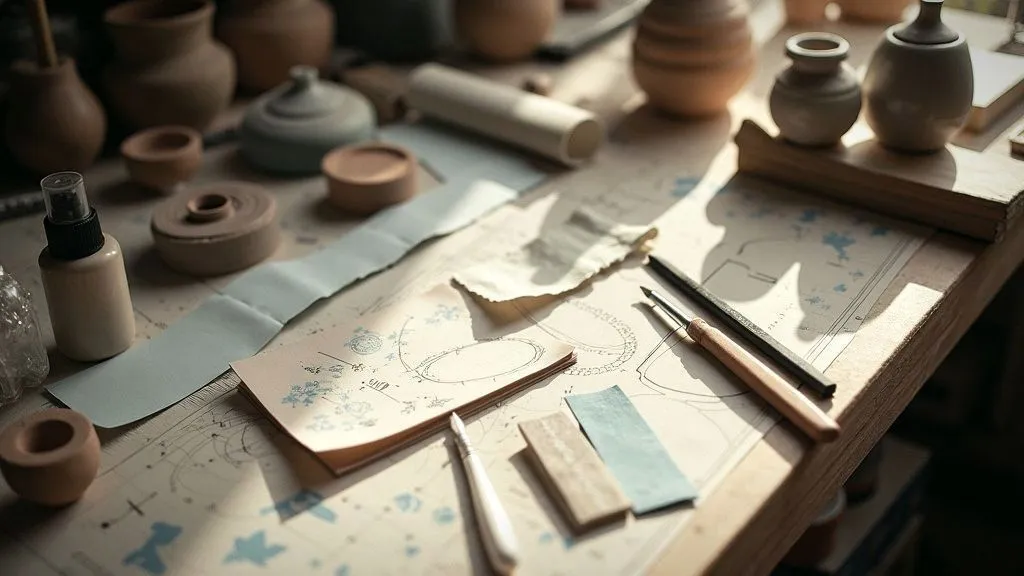
Cider Press Pottery is more than just a name; it symbolizes a unique intersection of artistry and utility in the realm of handmade ceramics. The craft of pottery has been around for thousands of years, evolving through various cultures and traditions. In this article, we will explore the essence of cider press pottery, the techniques involved, and the contemporary relevance of this ancient craft.
The Historical Roots of Pottery
Pottery’s roots can be traced back to ancient civilizations. The earliest forms were primarily utilitarian, used for storing food, cooking, and carrying water. As societies evolved, the aesthetic aspects of pottery began to take shape. Different cultures developed distinct styles and techniques, making pottery a reflection of their identity.
Cider press pottery, a term that highlights both function and artistry, is steeped in tradition. Originating from the need to create durable vessels for cider production—an essential beverage in many rural communities—this form of pottery has transformed over the years. The unique designs and glazes used in cider press pottery serve not only as decorative elements but also as practical features that enhance the pottery’s functionality.
Understanding Cider Press Pottery
Cider press pottery typically refers to ceramic pieces designed for use in the cider-making process, but it has also come to encompass a broader range of pottery inspired by the traditions and techniques of cider production. This pottery is known for its robust construction, allowing it to withstand the rigors of fermentation and storage.
Characteristics of Cider Press Pottery
-
Durability: Cider press pottery is made to last. Artisans use high-quality clay that can withstand high temperatures during the firing process. This durability ensures that the pieces can hold up under the pressures of fermentation and daily use.
-
Functional Design: The shapes and sizes of cider press pottery pieces are often dictated by their use. Jugs, crocks, and fermentation vessels are common, each designed with specific features to aid in the cider-making process.
-
Aesthetic Appeal: While functionality is a priority, cider press pottery is also an art form. Artisans often incorporate personal touches, including unique glazes, decorative patterns, and shapes that reflect their artistic vision. This dual purpose makes each piece a functional work of art.
The Crafting Process
Creating cider press pottery involves several meticulous steps, each requiring skill and precision. Understanding this process can deepen appreciation for the artistry involved.
1. Selecting the Clay
The journey begins with selecting the right type of clay. Different clays have their own characteristics; some are better suited for high-temperature firing, while others may offer unique textures and colors. Potters often experiment with various clays to achieve the desired results.
2. Shaping the Piece
Once the clay is chosen, the potter shapes the piece. This can be done using various techniques, such as hand-building or wheel-throwing. Each method has its merits; hand-building allows for more creative freedom, while wheel-throwing offers precision and symmetry.
3. Drying and Bisque Firing
After shaping, the piece must dry to a leather-hard state before it undergoes bisque firing. This first firing removes moisture from the clay and strengthens the piece. Bisque-fired pottery is porous and can absorb glazes applied later.
4. Glazing
The glazing process is where the true artistry shines. Potters apply glazes to enhance the pottery’s appearance and add functionality. For cider press pottery, glazes can also be chosen for their food-safe properties, ensuring that they are safe for use with consumable goods.
5. Glaze Firing
The final step is glaze firing, where the pottery is heated to a high temperature. This process vitrifies the clay and creates a glass-like surface on the pottery, sealing in the glaze and enhancing its durability. The result is a beautiful, functional piece ready for use.
Contemporary Applications of Cider Press Pottery
Today, cider press pottery is embraced by both traditionalists and modern artisans. While many potters continue to create pieces that honor historical techniques, others are pushing the boundaries of design and function.
1. Home Use
Many people appreciate cider press pottery for its practicality in the kitchen. Jugs for cider, fermentation crocks, and serving dishes have become popular among food enthusiasts and home brewers. They not only serve a purpose but also add a touch of rustic charm to any kitchen or dining table.
2. Decorative Art
Aside from utility, cider press pottery has found its place as decorative art. Collectors seek out unique pieces that reflect their personal style and the rich heritage of pottery making. Galleries and exhibitions often showcase cider press pottery, highlighting its place in the art world.
3. Sustainable Practices
In an era of increasing environmental awareness, many potters embrace sustainable practices. Using locally sourced materials and traditional techniques, cider press pottery aligns with eco-friendly values. This approach appeals to consumers seeking sustainable and handmade products.
Conclusion: The Enduring Appeal of Cider Press Pottery
Cider press pottery represents a harmonious blend of function and art. Its historical roots, combined with contemporary relevance, make it a fascinating topic for both pottery enthusiasts and casual admirers alike. As we continue to appreciate the craftsmanship that goes into creating these beautiful pieces, we also celebrate a tradition that has stood the test of time. Whether used in daily life or cherished as art, cider press pottery remains a testament to human creativity and the enduring nature of handmade craftsmanship.