
Exploring the Art and Craft of Pottery: A Deep Dive into Techniques and Tools
By Halima Ferreira · · 4 min read
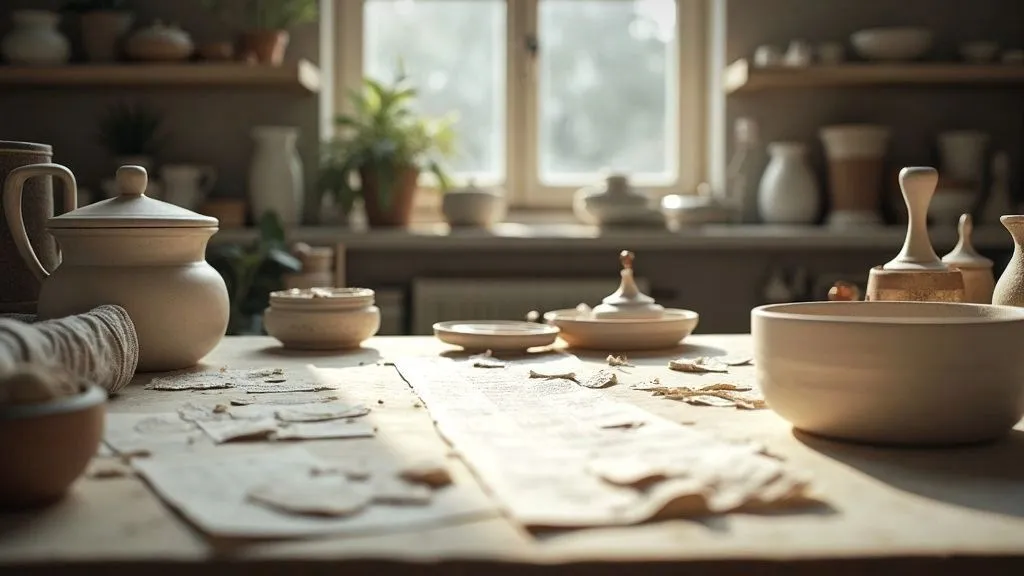
Pottery, a timeless art form, has captivated craftsmen and enthusiasts alike for centuries. From ancient civilizations to modern artisans, the process of shaping clay into functional and decorative items speaks to the essence of human creativity. This article delves into the multifaceted world of pottery, examining the techniques, tools, and the intricate balance between art and utility.
The History of Pottery
Pottery’s origins can be traced back to prehistoric times. The earliest known pottery dates around 29,000 BCE, with the discovery of figurines and simple vessels in Europe and Asia. As societies evolved, so did their techniques and purposes for pottery. Ancient civilizations like the Mesopotamians, Egyptians, and Chinese developed distinctive styles and methods, often using pottery for both practical and ceremonial functions.
Today, pottery continues to evolve, influenced by cultural exchanges, technological advancements, and individual artistic expression. Each piece of pottery tells a story, connecting us to the past while reflecting contemporary values and aesthetics.
Understanding Clay Types
The foundation of pottery lies in its primary material: clay. The characteristics of clay can significantly affect the final product. There are several types of clay, each suited for different techniques and outcomes:
Earthenware
Earthenware is one of the most commonly used clays, known for its workability and affordability. After firing at lower temperatures, it remains porous and is often used for decorative pieces or indoor pottery. Its vibrant colors and glazes make it a favorite among hobbyists.
Stoneware
Stoneware is a durable, versatile clay that is fired at higher temperatures, making it less porous and ideal for functional items such as dinnerware. Its strength and ability to hold heat make it a popular choice for both beginners and experienced potters.
Porcelain
Porcelain, often considered the “royalty” of clays, is fired at extremely high temperatures, resulting in a fine, translucent finish. It requires skill to work with due to its tendency to warp and crack. However, when executed correctly, porcelain can yield stunning pieces that are both elegant and functional.
Raku
Raku is a traditional Japanese pottery technique that involves removing pottery from the kiln while it is still glowing hot. It is then placed in combustible materials, resulting in unique, unpredictable finishes. The raku process emphasizes the interplay between fire and earth, creating stunning visual effects.
Essential Pottery Tools
Creating pottery involves a variety of tools that assist in shaping, decorating, and finishing pieces. Here are some essential tools commonly found in a potter’s toolkit:
Potter’s Wheel
The potter’s wheel is arguably the most iconic tool in pottery. It allows artisans to shape clay into symmetrical forms through a combination of hand movements and wheel rotation. Mastering the wheel can take time, but the results can be profoundly rewarding.
Clay Tools
A set of clay tools—ranging from wire cutters to rib tools—is vital for shaping and refining pieces. These tools help with every stage of pottery making, from trimming to smoothing surfaces.
Glazing Equipment
Glazes add color and texture to pottery. Equipment such as spray guns, brushes, and dipping tools facilitates the application of glazes. Understanding the properties of different glazes is crucial for achieving the desired finish.
Kiln
The kiln is essential for firing pottery, transforming soft clay into durable ceramic. Different kilns (electric, gas, wood) can create varied effects on the final product, depending on the firing method used.
Pottery Techniques
There are several techniques potters employ to create unique forms and functions. Here are some popular methods:
Hand-Building
Hand-building is among the oldest pottery techniques, allowing artists to create pieces without the use of a wheel. This method includes techniques such as coil building, slab work, and pinch pots. Each technique offers distinct aesthetics and allows for great creativity.
Throwing
Throwing, or forming pottery on the wheel, requires practice and precision. Potters center a ball of clay on the wheel and shape it using their hands and tools. This technique is commonly used for items like bowls, vases, and mugs.
Slip Casting
Slip casting is a technique that utilizes liquid clay (slip) poured into molds. This method is particularly useful for creating identical pieces, such as dinnerware sets. It is widely used in commercial pottery production, allowing for efficiency without sacrificing quality.
Surface Decoration
Once pieces are formed, potters often add decorative elements. Techniques such as carving, stamping, and applying underglazes can enhance the visual appeal. Surface decoration is where the potter’s personality truly shines, enabling the creation of unique, one-of-a-kind pieces.
The Firing Process
Firing is a crucial step in pottery, bringing the pieces to life. The process involves several stages:
Bisque Firing
The first firing, known as bisque firing, transforms the clay into a porous ceramic. This firing prepares the pieces for glazing, making them less fragile and easier to handle.
Glaze Firing
After applying glaze, the pottery undergoes a second firing. This process melts the glaze, creating a glassy finish that enhances both color and durability. The temperature and duration of this firing can significantly affect the final outcome.
Raku Firing
As mentioned earlier, raku firing is a unique process that produces unpredictable finishes. The combination of smoke, ash, and the reaction between the glaze and the materials creates exquisite visual effects.
Conclusion
Pottery is much more than a hobby; it is a form of self-expression and a connection to history. From selecting the right clay and tools to mastering various techniques, every step in the pottery-making process is an opportunity to create something truly unique. Embracing the art of pottery not only fosters creativity but also allows individuals to appreciate the craftsmanship behind each piece. Whether you are a seasoned potter or just beginning, the world of pottery offers endless possibilities for exploration and expression.