
Understanding the Art of Pottery: Techniques, Tools, and Traditions
By Halima Ferreira · · 4 min read
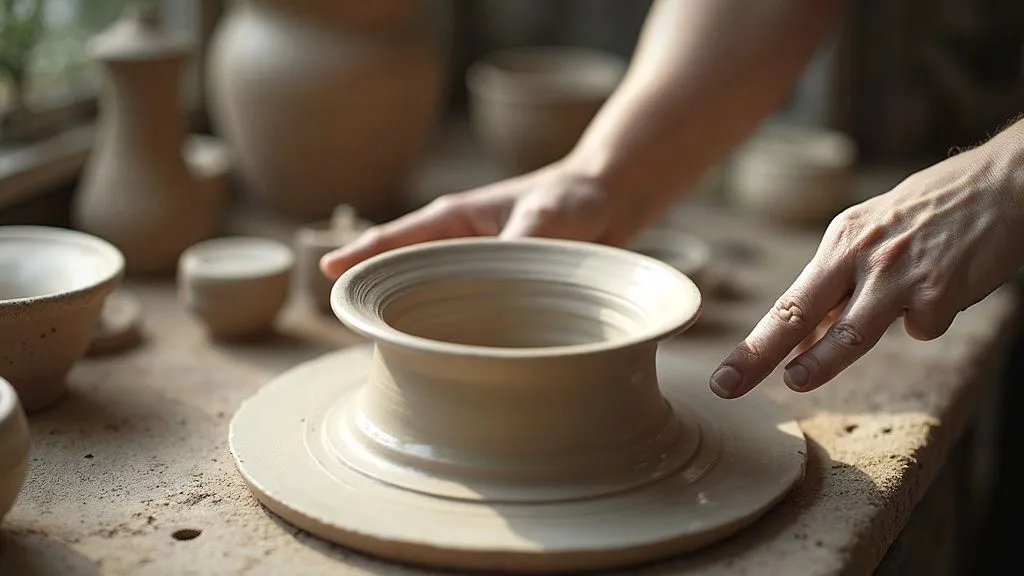
Pottery is an age-old craft that combines creativity and functionality. From the ancient civilizations that shaped clay into durable vessels, to the contemporary artists who push the boundaries of this medium, pottery remains a rich field of exploration. This article delves into various techniques, tools, and traditions that define the art of pottery, providing both enthusiasts and practitioners with valuable insights.
The Basics of Pottery
At its core, pottery involves shaping and firing clay to create objects ranging from simple dishes to intricate sculptures. The process can be broken down into several key stages: preparing the clay, shaping it, drying, firing, and glazing.
Types of Clay
Understanding the type of clay you are working with is essential. There are several varieties, each with unique properties:
-
Earthenware: This is a low-fire clay that is easy to work with and often used for beginners. It’s porous and typically has a warm, reddish-brown color after firing.
-
Stoneware: Fired at higher temperatures, stoneware is durable and non-porous. This clay is ideal for functional ware, such as dinner plates and mugs.
-
Porcelain: Known for its fine quality, porcelain is a high-fire clay that results in a translucent finish. It is often used for artistic pieces as well as high-end tableware.
Techniques for Shaping Pottery
There are various methods to shape pottery, each offering unique results. Here are some of the most popular techniques:
Hand Building
Hand building is one of the oldest pottery techniques. It involves using the hands and simple tools to shape clay. There are three main hand-building methods:
-
Pinching: By pinching the clay with fingers, you can create small bowls or cups. This method is particularly suitable for beginners.
-
Coiling: This technique involves rolling out long coils of clay and stacking them to build up the walls of the piece. It allows for larger and more complex forms.
-
Slab Building: Clay is rolled out into flat sheets (slabs) and then cut and joined to form shapes. This technique is great for making tiles, boxes, and dishes.
Wheel Throwing
For those looking for precision and speed, wheel throwing is an excellent option. A potter’s wheel spins the clay, allowing the artist to shape it symmetrically. This technique requires practice to master, but it can yield stunning results. From bowls and plates to vases and mugs, the possibilities are vast.
The Firing Process
Once the pottery is shaped, it must be dried and fired. Firing is critical as it transforms the clay into a hard, durable material. There are two primary firing methods:
Bisque Firing
This is the initial firing that hardens the clay but does not yet make it waterproof. It usually occurs at a lower temperature and prepares the piece for glazing. After bisque firing, the pottery can be sanded and cleaned, ready for the next stage.
Glaze Firing
After applying a glaze, the piece undergoes a second firing at a higher temperature. Glazes can add color, shine, and a waterproof surface to the finished work. There are various types of glazes, ranging from glossy to matte, and each can dramatically alter the final appearance.
Tools of the Trade
Pottery requires specific tools to assist in the various stages of the process. Here are some essential tools every potter should have:
Basic Tools
-
Potter’s Wheel: Essential for wheel throwing, this device allows for symmetry and speed.
-
Clay Cutters: These tools help slice through clay easily and are useful for trimming and shaping.
-
Ribs and Scrapers: These are used to smooth surfaces and shape the clay during the throwing process.
Glazing Tools
-
Glazing Brushes: For precision application of glaze, brushes come in various sizes to suit different needs.
-
Sprayers: Some potters use sprayers for a more even application of glaze, especially for large pieces.
Cultural Significance of Pottery
Throughout history, pottery has served not only functional purposes but also cultural ones. Different cultures have their own pottery traditions, which often reflect their values, beliefs, and everyday life.
Indigenous Pottery
In many indigenous cultures, pottery serves as a means of storytelling and tradition. Designs often incorporate symbols representing nature, spirituality, or historical events. For example, Native American pottery is known for its intricate patterns and vibrant colors, often inspired by the natural landscape.
Asian Pottery
Asian pottery boasts a rich history, particularly in countries like China and Japan. Chinese porcelain is renowned worldwide for its delicate beauty, while Japanese pottery often emphasizes simplicity and craftsmanship. Tea ceremonies in Japan are closely associated with specific types of pottery, highlighting the cultural importance of these items.
Contemporary Pottery Trends
Pottery continues to evolve with contemporary trends. Many artists today are blending traditional techniques with modern concepts, leading to innovative designs and functionalities. Some current trends include:
Sustainable Practices
As environmental awareness grows, many potters are focusing on sustainable practices. This includes using locally sourced clay, natural glazes, and eco-friendly firing methods. The emphasis is on creating pieces that are not only beautiful but also mindful of their environmental impact.
Mixed Media
Contemporary potters are also experimenting by incorporating other materials into their work. This mixing of media—such as combining clay with wood, metal, or glass—results in unique and thought-provoking pieces that challenge traditional boundaries.
Conclusion
The art of pottery is a captivating blend of tradition and innovation. Whether you are a beginner or an experienced potter, understanding the techniques, tools, and cultural significance behind this craft can deepen your appreciation of the art form. As pottery continues to evolve, it remains a vital expression of human creativity, connecting us to our past and shaping our future. Embrace this art, explore your creativity, and perhaps you will contribute to the rich tapestry of pottery history.