
Exploring the Art of Pottery: Techniques, Tools, and Tips for Beginners
By Halima Ferreira · · 4 min read
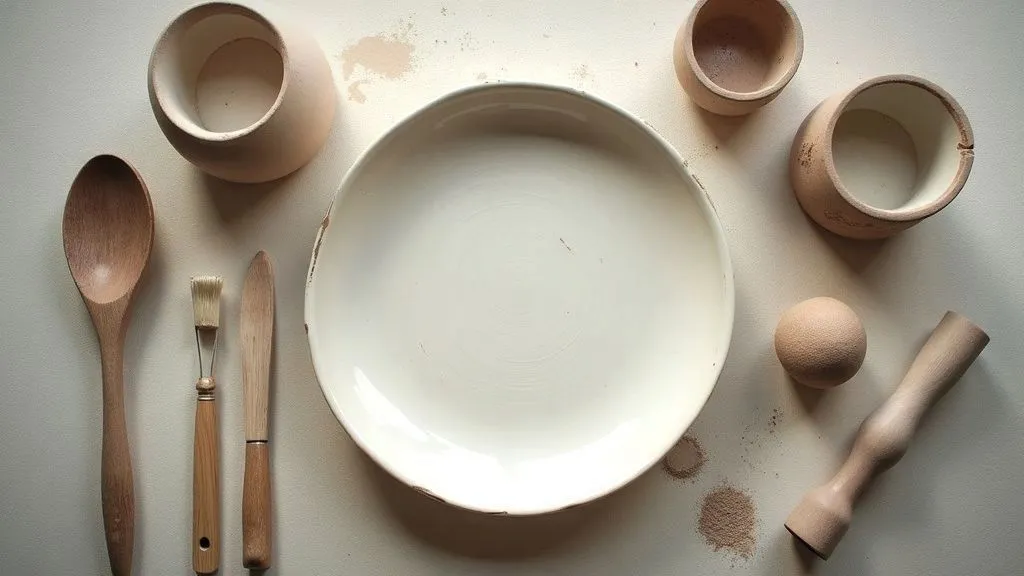
Pottery is an ancient craft that has captivated artists and enthusiasts alike for centuries. From functional ware to stunning decorative pieces, the world of pottery is rich with history, techniques, and endless possibilities for creativity. Whether you are considering taking up pottery as a hobby or seeking to deepen your skills, this article will guide you through the essential aspects of pottery, including techniques, tools, and tips to help you succeed on your artistic journey.
Understanding the Basics of Pottery
Before diving into the techniques and tools, it’s crucial to understand the fundamental elements of pottery. At its core, pottery involves shaping clay into various forms and then firing it in a kiln to create durable objects. The main stages of pottery production include:
-
Clay Preparation: Choosing the right type of clay is the first step. Common types include earthenware, stoneware, and porcelain, each with unique characteristics that affect firing temperature, texture, and finish.
-
Shaping: This is where creativity takes flight. Techniques such as hand-building, wheel-throwing, and sculpting allow artists to create everything from bowls and mugs to intricate sculptures.
-
Firing: Once the piece is shaped, it is dried and then fired in a kiln. This process transforms the clay into a solid form, making it waterproof and durable.
-
Glazing: After the initial firing, a glaze can be applied to enhance the aesthetic appeal and provide a protective coating. The choice of glaze can significantly impact the final look of the piece.
Pottery Techniques for Beginners
Exploring different pottery techniques can help you discover your unique style and preferences. Here are three fundamental techniques to get started:
Hand-Building
Hand-building is a versatile technique that involves shaping clay using your hands and simple tools. There are several methods within hand-building:
-
Pinch Pots: Start with a ball of clay, pinch it to create a bowl shape, and mold it with your fingers. This technique is excellent for small, organic forms and is perfect for beginners.
-
Coil Building: Roll out long, snake-like coils of clay and stack them to build up a form. This method allows for larger pieces, such as vases or pots, and provides a great opportunity to practice texture and pattern.
-
Slab Building: Flatten clay into slabs and assemble them like puzzle pieces. This technique is ideal for creating geometric shapes and offers a different aesthetic compared to rounded forms.
Wheel-Throwing
Wheel-throwing is a popular method that uses a potter’s wheel to shape clay. This technique can be challenging for beginners but offers a smooth and controlled way to create symmetrical pieces. Here are a few tips to get started:
-
Centering the Clay: Begin by placing a lump of clay on the wheel and spinning it while applying pressure to center the clay. This is a crucial skill to master for successful throwing.
-
Pulling Up Walls: Once centered, use your hands to pull the clay upwards and shape the walls of your piece. Practice will help you find the right balance between pressure and speed.
-
Trimming: After the piece has dried to leather-hard, trim excess clay to refine the shape and create a foot for functional ware.
Sculpting
Sculpting in pottery allows for artistic expression beyond functional pieces. You can create intricate designs or abstract forms using various techniques. Consider the following:
-
Additive Sculpting: This involves adding clay to a base form to create texture or volume. You can experiment with different tools to achieve unique surfaces.
-
Subtractive Sculpting: Remove clay from the original form to create depth and detail. This technique often requires careful planning and precision.
Essential Tools for Pottery
Having the right tools can make a significant difference in your pottery experience. Here’s a list of essential tools you should consider for your pottery toolkit:
-
Clay Tools: A variety of tools, including wooden ribs, metal scrapers, and needle tools, can help you shape and refine your pieces.
-
Potter’s Wheel: If you plan to pursue wheel-throwing, investing in a quality potter’s wheel is essential. Consider both electric and kick wheels based on your preference.
-
Kiln: A kiln is necessary for firing your pottery. Home kilns come in various sizes, so choose one that fits your workspace and production needs.
-
Glazing Supplies: Brushes, sponges, and dipping tools will assist you in applying glazes effectively. Experimenting with different application techniques can yield exciting results.
Tips for Successful Pottery
Here are some practical tips to enhance your pottery skills and make your creative process smoother:
-
Practice Regularly: Like any art form, practice is key to improvement. Set aside time each week to work on your pottery skills.
-
Join a Class or Community: Learning from experienced potters can provide invaluable insights and techniques. Local pottery studios often offer classes catering to all skill levels.
-
Experiment with Styles: Don’t be afraid to try various techniques and styles. Each piece you create is an opportunity to learn and grow as an artist.
-
Embrace Imperfection: Pottery is an art form that often embraces flaws. Each piece tells a story, so celebrate the uniqueness of your creations.
-
Stay Organized: Keep your workspace tidy, and organize your tools and materials. A clean space can help you focus better on your art.
Conclusion
Embarking on a pottery journey opens up a world of creativity and self-expression. With various techniques to explore and essential tools at your disposal, you can create unique pieces that reflect your style and personality. Remember, pottery is about the process as much as the final product. Enjoy the journey, and let your hands create magic with clay. Whether you’re making a simple mug or an elaborate sculpture, every piece you craft is a testament to your artistic spirit. Happy potting!