
The Art of Pottery: Mastering the Techniques for Stunning Creations
By Halima Ferreira · · 4 min read
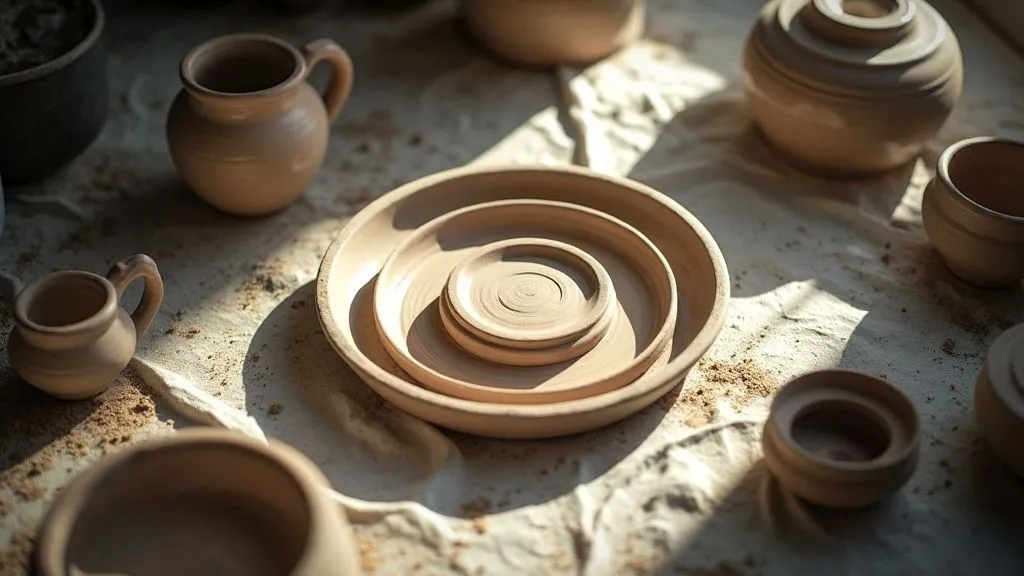
Pottery has been a cherished craft for thousands of years, combining artistry and functionality. From traditional hand-thrown pieces to modern ceramic art, the techniques involved in pottery offer endless possibilities for creativity. In this article, we will delve into the essential methods that every potter should master to create beautiful and unique pieces.
Understanding the Clay
Before diving into pottery techniques, it’s crucial to understand the material you’ll be working with: clay. Clay comes in various types, each with its characteristics and uses.
Types of Clay
-
Earthenware: This is one of the most common types of clay used in pottery. It is easy to work with and fires at low temperatures. Earthenware is porous, making it ideal for decorative pieces but not suitable for functional ware unless glazed.
-
Stoneware: Known for its durability, stoneware is fired at higher temperatures. It is less porous than earthenware, making it suitable for functional items like dishes and cookware. Its natural earthy colors are often enhanced by glazes.
-
Porcelain: Recognized for its elegance and translucence, porcelain is made from kaolin clay and fired at very high temperatures. It requires a higher skill level to work with due to its finicky nature but results in stunning, delicate pieces.
Preparing the Clay
Once you have selected your clay, the next step is preparing it for use. This process, known as wedging, eliminates air bubbles and creates a uniform consistency.
-
Wedging: Begin by cutting the clay into manageable chunks. Knead the clay by pushing it with the heel of your hand, folding it over, and repeating this process. A good wedging technique results in a smooth, pliable dough ready for shaping.
-
Conditioning: After wedging, let the clay rest for a short period to relax the fibers. This resting phase allows the moisture to distribute evenly, making it easier to shape.
Shaping Techniques
Shaping is where your creative vision begins to take form. Several techniques can be used, and each offers a unique result.
Hand-Building
This traditional technique allows potters to create pieces without a potter’s wheel. Hand-building can be divided into three primary methods:
-
Pinching: This technique involves using your fingers to pinch the clay into shape. It’s perfect for creating small bowls or sculptures with a personal touch.
-
Coiling: Start by rolling out long, snake-like coils of clay. Stack and blend these coils together to form the walls of your pot. Coiling allows for greater flexibility in design and is excellent for larger pieces.
-
Slab Building: Roll out flat pieces of clay (slabs) and cut them into shapes. Assemble these shapes by joining edges together, making it suitable for creating boxes or geometric forms.
Wheel Throwing
For those looking to create symmetrical pieces, wheel throwing is an essential skill.
-
Centering the Clay: Begin by placing a chunk of wedged clay on the wheel head. Start the wheel and apply pressure with your hands, moving the clay into the center. This step is critical for achieving a well-rounded piece.
-
Pulling the Walls: Once centered, gradually press down and pull the clay upwards to form the walls of your vessel. This process requires practice to achieve the desired thickness and height.
-
Shaping and Trimming: After pulling the walls, shape your piece using tools or your hands. Once the piece is leather-hard, trimming can refine the foot and add finishing touches.
Surface Decoration
After shaping your pottery, consider how you want to finish the surface. Surface decoration adds personality and style to your pieces.
Glazing
Glazing is the most common method of surface decoration. A glaze not only enhances the aesthetic but also provides functionality by making pieces waterproof.
-
Types of Glazes: There are various types of glazes, including glossy, matte, transparent, and opaque. Experimenting with different glazes can yield fascinating results.
-
Application Techniques: Glazes can be applied using brushing, dipping, pouring, or spraying methods. Each application technique affects the final appearance of the piece, so don’t hesitate to explore different methods.
Engraving and Painting
Engraving involves carving designs into the clay surface before glazing. This technique allows for intricate patterns and textures. Alternatively, painting with underglazes can create vibrant images and designs, offering a distinct look.
Firing Process
The firing process is crucial in pottery, transforming your clay creations into durable ceramics.
Bisque Firing
The first firing, known as bisque firing, occurs at a low temperature (around 1,800°F or 1,000°C). This initial firing removes moisture and hardens the clay, preparing it for glazing.
Glaze Firing
After glazing, a second firing is necessary. This firing occurs at a higher temperature and melts the glaze, creating a glassy surface. The timing and temperature for glaze firing depend on the type of clay and glaze used.
Conclusion: Embracing the Art of Pottery
Mastering the art of pottery requires practice, patience, and a willingness to experiment. By understanding the basics of clay, mastering shaping techniques, exploring surface decoration, and executing the firing process, you can create stunning pottery pieces that reflect your artistic vision. Whether you aim to craft functional ware or abstract art, the techniques outlined in this article will set you on the path to becoming a skilled potter. Embrace the creative journey and let your passion for pottery flourish.