
The Art of Cider Press Pottery: Crafting Functionality with Elegance
By Halima Ferreira · · 4 min read
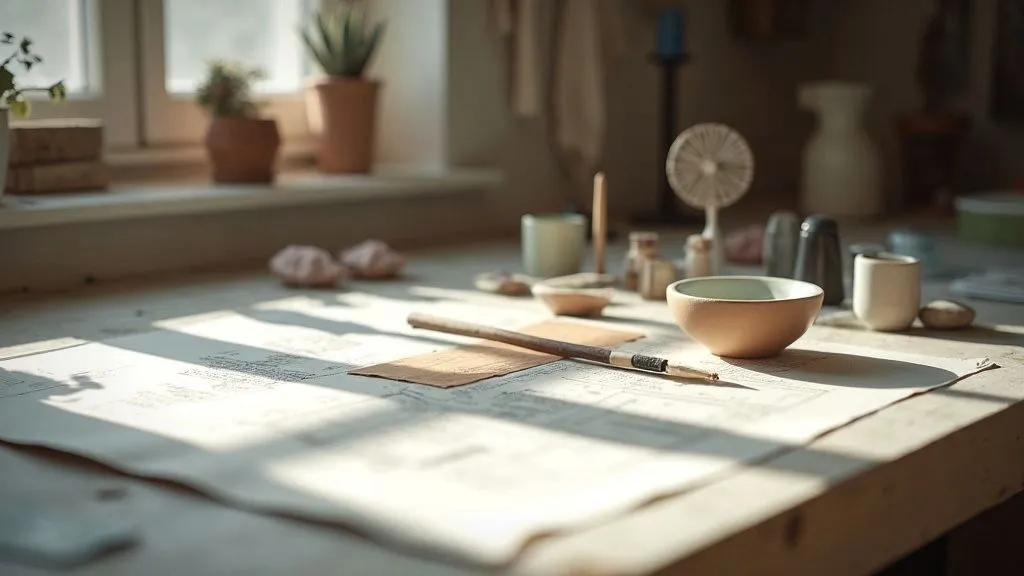
Cider press pottery is a unique intersection of art and functionality, where traditional techniques meet modern aesthetics. This type of pottery, often characterized by its rustic charm and utilitarian purpose, offers both beauty and practicality for everyday use. In this article, we will explore the history, techniques, and the burgeoning popularity of cider press pottery, as well as tips for selecting and caring for your pieces.
A Brief History of Cider Press Pottery
The roots of cider press pottery can be traced back to the early days of pottery-making, where artisans sought to create vessels for practical uses. Originating in regions renowned for apple orchards, these potters developed techniques to mold and fire clay that could withstand the rigors of pressing and storing cider.
Historically, cider was an essential beverage in many communities, especially in regions like New England, where apple orchards thrived. The vessels made for cider pressing were often designed for durability, with thick walls and robust bases to accommodate the pressure exerted during the pressing process. Over time, these pottery pieces evolved from purely functional items into artistic expressions that reflect the culture and craftsmanship of their makers.
The Craftsmanship Behind Cider Press Pottery
Creating cider press pottery involves a variety of techniques that highlight the skill and creativity of the potter. Here are some key aspects of the craftsmanship involved:
Clay Selection
Choosing the right clay is fundamental to the creation of any pottery. For cider press pottery, potters often select stoneware clay due to its strength and ability to retain heat. Stoneware is fired at a high temperature, making it less porous and more durable than earthenware. This is crucial for items that will be used for pressing cider, as they need to withstand both pressure and moisture.
Wheel Throwing and Hand Building
Many potters utilize wheel throwing techniques to shape their pieces. This process involves spinning a lump of clay on a potter’s wheel and shaping it into a desired form. Alternatively, hand-building techniques, such as pinch pots or coil building, can be used to create unique designs that may not be achievable with the wheel. Both methods allow for a high degree of customization and artistic expression.
Glazing Techniques
Glazing is an essential component of pottery-making, providing a protective layer while also enhancing the visual appeal of the piece. Potters often experiment with various glazing techniques to achieve different effects. For cider press pottery, glazes that mimic natural materials—such as earthy tones or textured finishes—are popular, as they emphasize the rustic charm of the pieces.
The Functionality of Cider Press Pottery
While the aesthetic appeal of cider press pottery is undeniable, its functionality is equally important. These pieces are designed with specific uses in mind, making them practical additions to any kitchen or dining table.
Cider Pressing Vessels
The primary purpose of cider press pottery is to create vessels for pressing and storing cider. These vessels can vary in size, accommodating anything from small batches to larger quantities. The thick walls of the pottery help to insulate the cider, maintaining its temperature while the pressing process occurs.
Serving and Display
Beyond functionality, cider press pottery also serves as an attractive way to present cider and other beverages. The unique glazes and textures can turn a simple serving vessel into a conversation piece at gatherings. Additionally, these pieces can be used for serving other rustic dishes, such as stews or salads, adding a touch of authenticity to any meal.
Decorative Uses
The beauty of cider press pottery extends beyond its utilitarian functions. Many pieces are designed with intricate patterns and finishes, making them perfect for display. Whether on a kitchen shelf or in a dining room, these pottery items can enhance the overall decor of a space.
Tips for Selecting Cider Press Pottery
When looking to purchase cider press pottery, consider the following factors to ensure you find the perfect pieces for your collection:
Authenticity
Seek out pottery made by skilled artisans who honor traditional techniques. Authentic cider press pottery often carries the unique characteristics of handmade items, including slight imperfections that add to their charm.
Quality and Durability
Inspect the quality of the clay and glazing. Look for well-fired pieces that are free from cracks or blemishes. A good piece of cider press pottery should be sturdy and able to withstand regular use.
Size and Shape
Consider the intended use of the pottery. If you plan to use it primarily for serving or pressing cider, choose a size that will accommodate your needs. Additionally, think about the shape and design that will best complement your kitchen or dining area.
Caring for Your Cider Press Pottery
To ensure the longevity of your cider press pottery, proper care is essential. Here are some tips to keep your pieces looking their best:
Cleaning
Most cider press pottery is dishwasher safe, but it’s always best to hand wash with mild soap and warm water to preserve the glaze. Avoid abrasive materials that could scratch the surface.
Storage
Store your pottery in a cool, dry place to prevent any damage from humidity or temperature fluctuations. If stacking, place a soft cloth in between pieces to avoid scratches.
Avoiding Temperature Shock
While stoneware is durable, it is still susceptible to temperature shock. Avoid sudden changes in temperature by not placing hot items directly into cold pottery or vice versa.
Conclusion
Cider press pottery beautifully marries function and artistry, making it a cherished addition to any home. Whether used for pressing cider, serving meals, or as decorative pieces, these handcrafted items tell a story of tradition and craftsmanship. By understanding their history, techniques, and care, you can appreciate the unique charm of cider press pottery and incorporate it into your daily life.