
Discovering the Art of Cider Press Pottery: A Unique Craft Experience
By Halima Ferreira · · 4 min read
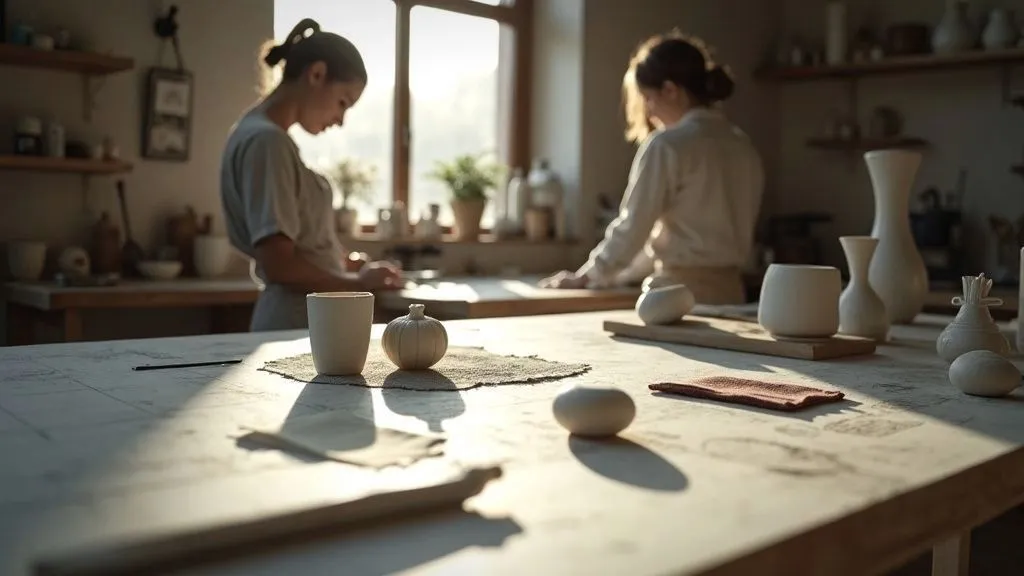
Creating pottery is a time-honored tradition that combines art with functionality. Among the myriad techniques and styles, cider press pottery emerges as a unique niche, showcasing both craftsmanship and cultural heritage. In this article, we will delve into the history, techniques, and significance of cider press pottery, providing insights into its role in contemporary ceramics.
The Roots of Cider Press Pottery
Cider press pottery traces its origins back to agrarian communities where the production of cider was a seasonal but vital activity. The process of making cider involves crushing apples and pressing them to extract juices, and pottery played an essential role in this tradition.
Historically, cider was a household staple, consumed regularly and often stored in clay vessels. The need for durable and functional pottery led to the crafting of specific wares designed to hold, transport, and serve cider. These pieces were not merely utilitarian; they were often artistically designed, reflecting the culture and aesthetics of their time.
Historical Significance
The art of cider press pottery gained particular prominence in regions where apple orchards flourished. In early American history, for instance, many settlers brought their pottery-making skills from Europe. This fusion of techniques led to a distinct style of cider press pottery, characterized by its earthy tones and functional designs.
The vessels crafted during this period were often used not just for cider but also for other beverages and even for cooking. As cider production became more commercialized, the pottery evolved, leading to the emergence of distinct shapes and forms tailored to specific uses.
Understanding the Craft Techniques
Creating cider press pottery involves a blend of traditional techniques and modern innovation. Potters often start with natural clay, selecting specific types that best suit the intended use of the pieces. The process typically includes several key steps: preparation, shaping, glazing, and firing.
Preparation of Clay
The first step in producing cider press pottery is the careful preparation of the clay. Potters must knead and wedge the clay to remove air bubbles and ensure uniformity. This process is crucial, as it affects the strength and flexibility of the final piece. Different types of clay can be used, including stoneware, which is known for its durability and ability to withstand heat.
Shaping the Vessel
Once prepared, the potter shapes the vessel using various techniques, such as throwing on a potter’s wheel or hand-building methods. When crafting cider vessels, potters often aim for a specific profile that allows for easy pouring and storage. The shapes can vary widely—from traditional jugs with handles to smaller mugs designed for individual servings.
Glazing and Decoration
After the shaping process, the pottery is dried and then glazed. Glazing not only adds a decorative element but also seals the porous clay, making it safe for storing liquids. Potters often employ a variety of glazing techniques, from simple clear glazes that highlight the natural beauty of the clay to intricate patterns and colors that reflect local traditions.
Firing the Pottery
The final step is firing the pottery in a kiln. This process hardens the clay and sets the glaze, creating a durable and functional piece. The temperature and duration of the firing can significantly affect the final appearance and durability, making this a critical stage in the pottery-making process.
The Role of Cider Press Pottery Today
Today, cider press pottery remains relevant, reflecting modern tastes while honoring traditional techniques. Many contemporary potters are inspired by the historical significance of cider vessels, creating both functional and decorative pieces that appeal to a wide variety of consumers.
A Blend of Functionality and Artistry
Modern cider press pottery often blends functionality with artistry. Many potters create pieces that serve both as beautiful home décor and practical kitchen items. For instance, a handmade cider jug might be displayed on a kitchen counter while being used to serve beverages during gatherings.
Additionally, many potters emphasize sustainability in their practices, sourcing local clay and using environmentally-friendly materials. This modern approach not only preserves the craft but also appeals to a growing demographic of environmentally-conscious consumers.
Community and Cultural Exchange
Cider press pottery also plays a significant role in community engagement and cultural exchange. Pottery classes and workshops have become popular, encouraging individuals to explore their creativity while learning about the history of cider-making and pottery.
Events such as craft fairs and local festivals often showcase cider press pottery, bringing artisans together and allowing them to share their techniques and stories. These gatherings foster a sense of community and appreciation for traditional crafts, ensuring that the art of cider press pottery continues to thrive.
Conclusion: Embracing Tradition in Modern Pottery
Cider press pottery is more than just a craft; it is a celebration of history, culture, and artistry. By blending traditional techniques with modern sensibilities, potters today honor the legacy of their forebears while creating pieces that resonate with contemporary audiences.
Whether you are a pottery enthusiast, a collector, or simply someone who appreciates the beauty of handmade items, exploring cider press pottery offers a unique insight into a craft that has stood the test of time. As artisans continue to innovate and inspire, the future of cider press pottery looks bright, promising a continued appreciation for this captivating art form.