
The Art and Craft of Archology: A Deep Dive into Pottery Techniques
By Halima Ferreira · · 4 min read
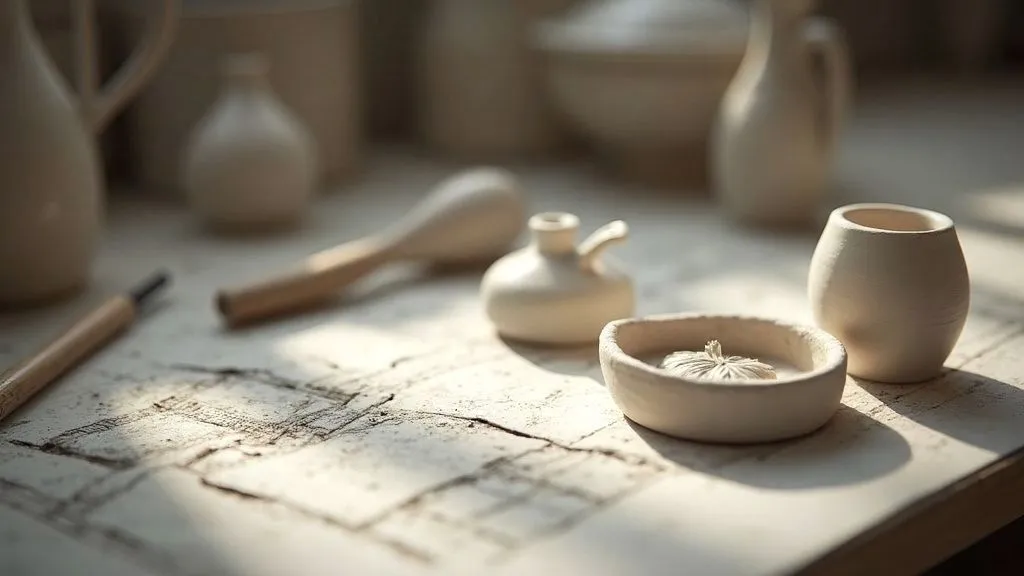
Pottery has been an integral part of human culture for thousands of years, serving both functional and artistic purposes. Among the diverse techniques and styles that have emerged throughout history, “archology” stands out as a rich and fascinating area of study. This article delves into the various aspects of archology, exploring its historical roots, techniques, and how it influences contemporary pottery practices.
Understanding Archology in Pottery
Archology, often confused with archaeology, is a term that reflects the study and application of ancient pottery techniques. It typically involves the analysis of historical pottery artifacts to recreate traditional methods of making and decorating ceramics. The term is derived from “archaeos,” meaning ancient, and “logia,” meaning study. Pottery enthusiasts and artisans seek to understand and revive these ancient methods to bring them into modern contexts.
Historical Context
The history of pottery dates back to prehistoric times. Early humans crafted pots from clay, firing them in simple kilns or open fires. As civilizations developed, so did pottery techniques. The Greeks, for example, are known for their intricate designs and use of slip glazing. The Chinese perfected stoneware and porcelain, which have become highly sought after.
Archology specifically focuses on how these ancient cultures created their pottery. By studying shards and remnants found at archaeological sites, modern potters can glean insights into the materials and techniques used by their ancestors. This knowledge allows current artisans to create pottery that honors historical practices while embracing contemporary aesthetics.
Techniques of Archology
The beauty of archology lies in its variety of techniques, each with its own unique characteristics. Understanding these techniques can enhance any potter’s skill set and deepen their appreciation for the craft.
Hand-Building
One of the oldest techniques in pottery, hand-building, involves shaping clay by hand without the use of a wheel. This method allows for great creativity and individuality. Techniques such as coil building and slab construction are prevalent in archological studies.
-
Coil Building: Potters roll out long strips of clay and stack them to form the desired shape. This method can produce both functional and sculptural pieces.
-
Slab Construction: Clay is rolled into flat sheets and joined together to create geometric forms. This technique can be traced back to ancient cultures and remains popular for its versatility.
Wheel-Throwing
While hand-building techniques are rooted in ancient practices, wheel-throwing also has a historical significance. The potter’s wheel, believed to have been invented around 3500 BCE in Mesopotamia, revolutionized pottery production.
-
Centering and Shaping: Mastering the wheel requires skill in centering the clay and shaping it as it spins. Archological studies reveal that ancient potters often produced better and more uniform vessels through this method.
-
Trimming and Finishing: Once a piece has been thrown, it can be refined through trimming. Potters can add decorative elements or remove excess clay to enhance the piece’s form.
Glazing Techniques
Glazes play a vital role in pottery, not only for aesthetics but also for functionality. Ancient cultures employed various glazing techniques that modern potters can replicate.
-
Ash Glazing: This technique utilizes natural ash from wood fires, which was prevalent in many ancient cultures. The ash reacts with the clay during firing, creating unique textures and colors.
-
Slip Glazing: This method involves applying a liquid clay mixture (slip) to the surface of a piece before it is fired. Slip can be used to create decorative patterns or to introduce color variations.
The Role of Materiality
The choice of materials is fundamental in archology. Different types of clay offer varying properties that impact the final outcome of the pottery.
Natural Clays
Many traditional potters relied on local clay sources, which influenced their work. The mineral content and texture of the clay can affect everything from color to durability.
-
Earthenware: This type of clay is porous and often used in the production of decorative pieces. Its low firing temperature means it is less durable than other types but offers rich colors.
-
Stoneware: Known for its strength and non-porous nature, stoneware is favored for functional pieces. Its ability to withstand high temperatures makes it a popular choice among modern potters.
Firing Methods
Firing is a crucial step in the pottery-making process. Various methods have been used throughout history, each with distinct characteristics.
-
Pit Firing: One of the oldest firing methods, pit firing involves placing pottery in a pit filled with combustible materials. The smoke and flames create unique finishes on the surface of the pottery.
-
Kiln Firing: Most contemporary potters use kilns for firing, allowing for precise temperature control. Different kiln types, such as gas, electric, or wood-fired, can produce varying effects on the final piece.
The Influence of Archology on Modern Pottery
Today’s potters are increasingly looking to the past for inspiration. By incorporating archological methods and techniques, they bridge the gap between ancient and contemporary practices.
Reviving Ancient Techniques
Many artisans are actively reviving ancient techniques, experimenting with materials and firing methods rooted in history. This revival not only honors the craft but also encourages a deeper connection to the cultural significance of pottery.
Sustainability in Pottery
As modern society becomes more conscious of sustainability, many potters are turning to natural materials and traditional methods that minimize environmental impact. Archology encourages a mindful approach to crafting, emphasizing the importance of sourcing local materials and traditional practices.
Conclusion
Archology serves as a reminder that pottery is more than just a craft; it is a rich tapestry of history, culture, and artistic expression. By exploring the ancient techniques and materials of our predecessors, modern potters can create work that resonates with both beauty and significance. Whether through hand-building, wheel-throwing, or glazing, the principles of archology will continue to inspire and shape the future of pottery.