
Discover the Artistry of Bakers: A Deep Dive into Pottery Techniques
By Halima Ferreira · · 4 min read
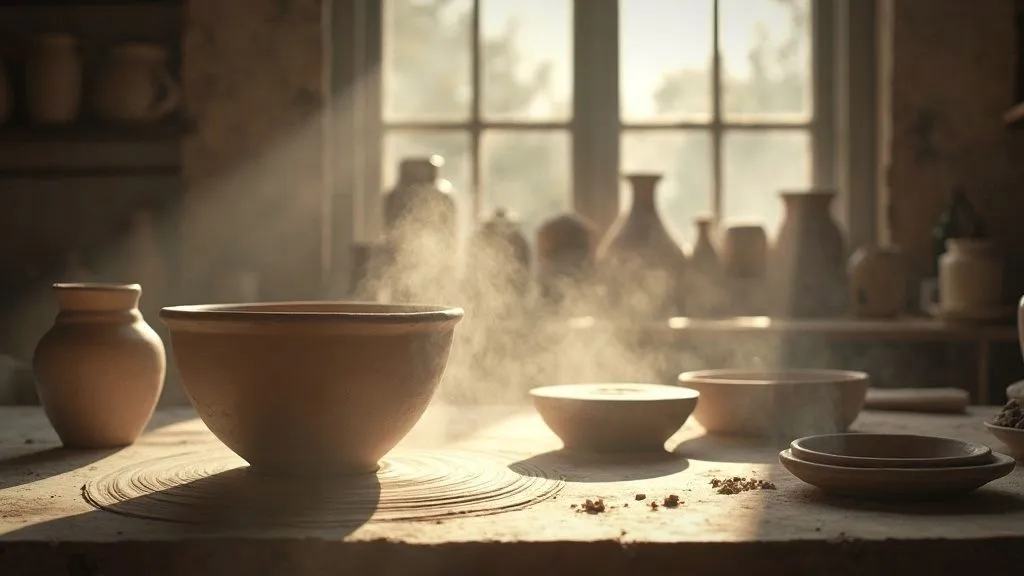
Baking enthusiasts often treasure the essential tools that enhance their culinary experience. One such tool, frequently overlooked, is the pottery used in baking. Pottery not only serves a functional purpose but also adds beauty to the kitchen and dining table. In this article, we’ll explore the intricacies of baker’s pottery, the various techniques involved in its creation, and how it can elevate your baking experience.
The Importance of Pottery in Baking
Baking is a blend of science and art, requiring specific tools to achieve the perfect texture, flavor, and presentation. Pottery, particularly that which is designed for baking, has unique properties that contribute to these factors. From the heat retention of stoneware to the aesthetic appeal of hand-crafted pieces, baker’s pottery holds a special place in both the culinary and artistic worlds.
Heat Retention and Distribution
One of the primary advantages of using pottery in baking is its ability to retain and distribute heat evenly. Unlike metal pans, which can create hot spots, pottery offers a more consistent temperature throughout the cooking process. This is crucial for baked goods like bread and casseroles, where even cooking can make the difference between a successful dish and a culinary disaster.
Stoneware, in particular, is renowned for its heat retention properties. It absorbs heat slowly and radiates it evenly, making it ideal for slow-cooked dishes that require a gentle, consistent temperature.
Aesthetic Appeal
Beyond their functionality, pottery pieces often serve as centerpieces on the dining table. The craftsmanship involved in creating these pieces can transform an ordinary meal into a memorable dining experience. Many potters incorporate unique glazes and intricate designs, which can enhance the visual appeal of the food served in them. A well-crafted bakeware set can take your kitchen decor to the next level, reflecting your personal style and love for handmade items.
Techniques in Creating Baker’s Pottery
The artistry involved in creating baker’s pottery is vast. Each technique used by potters can affect the final product’s usability and aesthetic. Here are some of the most common methods employed in crafting pots intended for baking.
Wheel-Throwing
Wheel-throwing is one of the most traditional pottery techniques. A potter shapes the clay on a rotating wheel, allowing for the creation of symmetrical and often intricate designs. This method is particularly effective for producing items like pie dishes and bread bakers, where uniformity in shape ensures even cooking.
After shaping, the pot is trimmed, dried, and then fired in a kiln. Depending on the desired finish, a glaze may be applied, adding both beauty and functionality to the piece. The application of glaze is crucial, as it can also determine how easy the pottery is to clean after baking.
Hand-Building
Hand-building is another method used in pottery making. This technique allows for more creativity in form and design, as it does not rely on the wheel. Instead, potters use their hands and simple tools to form the clay into the desired shape.
This approach is excellent for creating unique serving dishes, baking trays, or specialty items like soufflé dishes. Hand-built pottery often showcases more organic forms and textures, which can add a rustic charm to your kitchen.
Raku Firing
Raku firing is a distinctive pottery technique that produces vibrant colors and unique finishes. This method involves removing pottery from the kiln while it is still hot and placing it in a combustible material like sawdust. The reaction between the hot pottery and the materials creates stunning, unpredictable effects.
While Raku pottery is not always recommended for high-temperature baking, it makes for beautiful serving pieces or decorative items that can enhance your baking aesthetic.
Caring for Your Baker’s Pottery
To ensure your baker’s pottery lasts for years and maintains its beauty, proper care is essential. Here are some tips for maintaining your pottery pieces:
Cleaning and Maintenance
Most pottery is dishwasher safe, but hand washing is recommended to preserve the finish. Use a mild detergent and avoid abrasive scrubbing pads, which can scratch the glaze.
If your pottery has developed stains, a paste of baking soda and water can effectively restore its appearance without damaging the surface.
Storage Tips
When storing your pottery, stack pieces carefully to avoid chipping. Placing a layer of soft fabric or paper between stacked items can prevent scratches. If you have larger pieces, consider using a dedicated shelf to keep them safe and displayed.
Understanding Thermal Shock
One of the risks of using pottery in baking is thermal shock, which occurs when a piece is subjected to sudden temperature changes. To prevent this, always preheat your oven with the pottery inside rather than placing cold pottery directly into a hot oven.
Also, avoid placing hot pottery in cold water or on a cold surface, as this can lead to cracking or breaking. Proper handling and understanding of your pottery pieces will ensure longevity and continued enjoyment.
Conclusion
Baker’s pottery is more than just functional bakeware; it’s a fusion of art and utility that can enrich your baking experience. From the heat-retaining properties of stoneware to the exquisite designs crafted by skilled potters, these pieces are worthy of a prominent place in any kitchen.
As you explore the world of baker’s pottery, consider investing in a few quality pieces that resonate with your style and baking needs. Embrace the tradition and artistry of pottery, and let it inspire your culinary creations for years to come.