
The Art of Crafting Bread: A Guide to Pottery for Baking Enthusiasts
By Halima Ferreira · · 5 min read
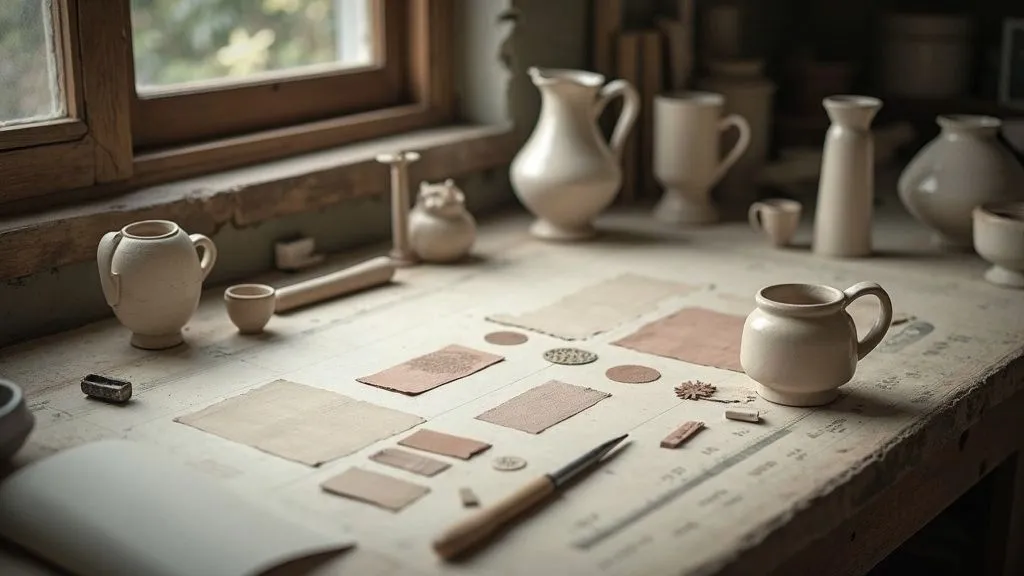
Bread has long held a special place in our kitchens and hearts, serving as a staple food across cultures. With the rise of artisanal baking and a renewed interest in traditional methods, many are turning to handmade pottery to elevate their bread-making experience. This article delves into the intersection of pottery and bread, exploring the types of pottery best suited for baking, the benefits of using ceramic tools, and some tips for integrating these pieces into your baking routine.
The Role of Pottery in Bread Making
Pottery has been used for centuries in various culinary applications, and baking bread is no exception. Clay materials offer unique benefits when it comes to heat retention and moisture regulation, making them ideal for creating the perfect crust and crumb.
Types of Baking Pottery
When it comes to choosing the right pottery for bread baking, there are several types to consider. Each serves a different purpose in the baking process.
Baking Stones
Baking stones, also known as pizza stones, are usually made from clay or a composite material. They help create an even heat distribution and absorb moisture, which contributes to a crispier crust. A well-prepared baking stone can transform your oven into a professional-grade hearth.
Bread Cloche
A bread cloche is a dome-shaped ceramic piece that mimics the environment of a traditional bread oven. By trapping steam during the baking process, it helps create a moist atmosphere that is crucial for achieving a light and airy loaf. The cloche also allows for proper browning of the crust, giving your bread that artisanal touch.
Dutch Ovens
While not exclusively pottery, many Dutch ovens are made from clay and designed for use in the oven. These heavy pots retain heat exceptionally well, making them ideal for slow-cooking and baking bread. The lid traps steam, ensuring that the bread rises properly while forming a golden crust.
Specialty Bakeware
Pottery artisans have begun to create specialized bakeware such as baguette pans and loaf molds. These pieces often feature unique designs that allow for optimal airflow and moisture retention. Some even come with intricate patterns that help create beautiful loaves, adding a visual appeal to your baking.
Benefits of Using Pottery for Baking
Utilizing pottery in your bread-making process offers several advantages over conventional metal or glass bakeware.
Heat Retention
One of the primary benefits of clay pottery is its superior heat retention. Pottery heats evenly, ensuring that your bread cooks uniformly. This consistent temperature helps prevent undercooked or overcooked areas, allowing you to achieve that perfect loaf every time.
Moisture Regulation
Pottery can absorb moisture from the dough, which can lead to a better crust. When baking bread, the steam generated is crucial for the dough’s rise. Pottery pieces like the bread cloche trap this steam, creating an ideal environment for baking.
Aesthetic Appeal
Handcrafted pottery adds a unique charm to your kitchen. Each piece is one-of-a-kind, often showcasing intricate designs or glazes that reflect the artisan’s creativity. Not only do they perform well in the kitchen, but they also serve as stunning decorative items when not in use.
Selecting the Right Pottery
Choosing the right pottery for your bread-making needs involves a few considerations.
Material Quality
Always opt for high-quality, food-safe ceramics. Look for pottery that is labeled as lead-free and suitable for high-temperature use. High-fired stoneware is often the best choice, as it is durable and can withstand extreme heat.
Size and Shape
Depending on the type of bread you wish to bake, consider the size and shape of the pottery piece. A Dutch oven is perfect for round loaves, while a baguette pan is ideal for longer bread types. Ensure that the size matches your recipes for optimal results.
Glaze Finish
The finish on the pottery can significantly impact its performance. Some glazes are non-stick, which can make removing the bread easier. Others may be more porous, allowing for better moisture absorption. Always consider how the glaze will interact with your dough.
Care and Maintenance of Baking Pottery
To ensure the longevity of your pottery, proper care and maintenance are essential.
Cleaning
Most pottery can be cleaned with warm, soapy water. Avoid using abrasive materials that could scratch the surface. For stubborn residue, a mixture of baking soda and water can help remove it without damaging the glaze.
Seasoning
Some pottery, similar to cast iron, may benefit from a seasoning process. This involves applying a thin layer of cooking oil and heating the piece to create a non-stick surface. Check the manufacturer’s recommendations, as not all pottery requires this step.
Storage
Store your pottery in a dry place to prevent moisture build-up, which can cause mold or damage to the clay. If possible, stack your pieces with care, using cloth or soft materials to prevent scratching.
Integrating Pottery into Your Baking Routine
Once you’ve selected your pottery, it’s time to incorporate it into your bread-making routine.
Experiment with Recipes
Don’t hesitate to experiment with different recipes to find the best match for your chosen pottery. For instance, a cloche works wonders for sourdough, while a baking stone excels with pizza and flatbreads.
Preheat Your Pottery
When baking bread, preheating your pottery is crucial. This step ensures that the heat is evenly distributed and helps create a better crust. Follow your recipe’s instructions carefully regarding preheating times.
Embrace the Process
Baking with pottery can be different from using more conventional materials. Embrace the learning curve and enjoy the process. Each loaf baked in your chosen pottery can offer insights and improve your skills.
Conclusion
In a world filled with modern conveniences, the allure of handmade pottery for bread baking remains strong. Whether you’re a novice baker or a seasoned pro, integrating pottery into your practice can enrich not only your bread-making experience but also your kitchen aesthetic. The unique properties of ceramic materials, combined with the artistry of skilled potters, create an inviting atmosphere for baking delicious loaves. So, gather your ingredients, preheat your pottery, and embark on a fulfilling journey of bread-making that honors tradition while embracing creativity.