
Ceramic Dreams: The Unseen Value of Handcrafted Pottery
By Halima Ferreira · · 6 min read
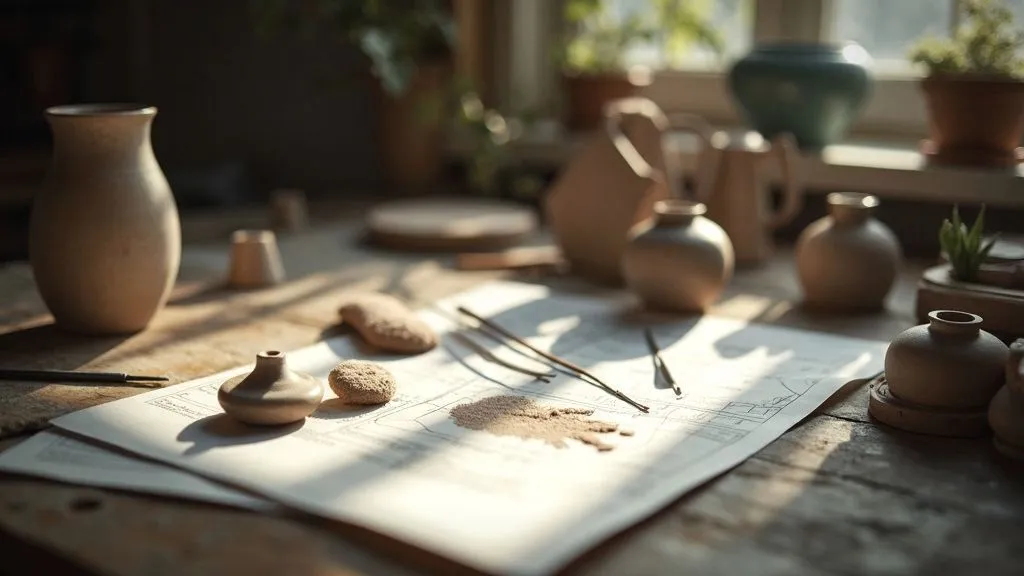
Handcrafted pottery holds a unique position in the world of arts and crafts. From earthenware bowls to intricately designed porcelain vases, each piece tells a story that is deeply rooted in culture, tradition, and the human experience. As we navigate through a landscape dominated by mass-produced items, the allure of handcrafted pottery remains a beacon of authenticity.
Many pottery enthusiasts argue that each piece is not merely an object, but an embodiment of the artisan’s spirit. As we explore the intricate world of handcrafted pottery, we can catch a glimpse of its profound significance and the reasons it continues to thrive amidst modern manufacturing practices.
The Cultural Resonance of Handcrafted Pottery
Pottery has been a cornerstone of human civilization for thousands of years. Archaeological studies indicate that the earliest known pottery dates back to approximately 29,000 BC in what is now the Czech Republic. This ancient craft served not only functional purposes but also aesthetic ones, allowing communities to express their identity and beliefs through their creations.
Dr. Elaine Johnson, an anthropologist specializing in pottery’s cultural significance, states, “Pottery is more than a vessel; it is a canvas for cultural expression. Each region has distinct styles and techniques that are passed down through generations.” The stories intertwined within these techniques often reflect the values and beliefs of the cultures that birthed them.
The tradition of pottery-making has been instrumental in various cultures as a means of storytelling through design. Native American pottery, for instance, often features designs that symbolize natural elements, while Mediterranean pottery reflects the aesthetic and practical needs of ancient societies. Understanding these connections provides a deeper appreciation of why handcrafted pottery should occupy a more prominent place in modern society.
Craftsmanship Versus Mass Production
One argument frequently presented in favor of handcrafted pottery is the contrast with mass production. The rise of factories and automated processes has led to an overwhelming supply of uniform and impersonal products. While consumer convenience is undeniable, many are beginning to question the value of items that lack a personal touch.
The unique and often imperfect qualities inherent in handcrafted pottery give each piece its individuality. Artisan potter Mark Thompson remarks, “In each curve and imperfection, you find a human touch; these flaws are what make my work relatable and cherished.” This personal touch provides consumers with more than just a product—it offers a connection to the maker.
However, critics of the handcrafted pottery movement often cite higher costs associated with artisan goods. The labor-intensive process of creating pottery by hand typically results in a higher price point compared to mass-produced items. While this may deter some consumers, the question of value arises: Is the higher cost justified by the unique qualities and cultural resonance of handcrafted items?
The answer is subjective, influenced by individual preferences and socio-economic factors. For those who appreciate the artistry and history behind each piece, the expense may seem negligible compared to the connection it fosters. Artisan pottery can serve as a conversation starter, a centerpiece, or simply a vessel that reflects one’s values and commitment to supporting local craftspeople.
The Eco-Friendly Edge
Another compelling argument in favor of handcrafted pottery is its potential environmental benefits. The process of mass production is often resource-intensive, relying heavily on fossil fuels, synthetic materials, and excessive packaging. In contrast, many artisans employ sustainable practices, using locally sourced clay and eco-friendly glazes.
A recent study by the Sustainable Crafts Association highlights that artisan-produced pottery typically generates 70% less carbon footprint compared to factory-made pottery. The association emphasizes how local artists can help reduce waste through minimal packaging and the use of non-toxic materials, making handcrafted pottery a greener choice for discerning consumers.
Despite the clear benefits, some may argue that artisanal methods cannot match the efficiency and affordability of mass production. This debate raises important questions about consumer responsibility. As eco-consciousness grows, should consumers prioritize sustainability over cost? It becomes evident that many individuals are willing to invest in handcrafted items that align with their values, even if they come with a higher price tag.
The Revival of Traditional Techniques
In recent years, there has been a notable revival of traditional pottery-making techniques. From raku firing to pit firing, these methods not only enhance the aesthetic appeal of pottery but also preserve ancient skills that might otherwise fade into obscurity. Workshops and classes have cropped up worldwide, inviting enthusiasts of all ages to reconnect with this timeless craft.
Amanda Green, an expert in traditional pottery techniques, notes, “Each method has its own unique character and challenges, which makes the learning process rewarding. It’s about cultivating a relationship with the materials.” This resurgence is not just about art; it’s a cultural movement that fosters community and connects individuals through shared experiences.
However, detractors argue that such techniques may not appeal to a broader audience because of their niche nature. Critics question whether the revival can be sustained in a world dominated by trends and fast fashions. Yet, the passionate following surrounding handmade goods suggests otherwise. As people seek meaningful connections in their lives, the demand for authentic, handcrafted pottery is likely to grow.
The Emotional Value of Pottery
Perhaps one of the most compelling aspects of handcrafted pottery is its emotional value. Objects created by hand invariably carry energy and intention, resonating with those who incorporate them into their lives. The act of using a handmade mug, for example, can transform an ordinary cup of coffee into a daily ritual filled with gratitude and appreciation.
Research conducted by the Artisan Collective found that 78% of consumers felt more connected to a product when they knew it was handmade. This emotional bond fosters an appreciation that transcends functionality. As artisan potter Sarah Mitchell succinctly puts it, “When you hold a piece of my work, you’re not just holding clay; you are holding the love and labor that went into it.”
This emotional connection can even extend to gifting handcrafted pottery. Unlike mass-produced items that may feel impersonal, a unique piece of pottery can convey thoughtfulness and care. It becomes more than just a gift; it transforms into a cherished memory imbued with meaning.
Navigating the Future of Handcrafted Pottery
As we look toward the future, the world of handcrafted pottery appears poised to thrive. The synergy between tradition and modernity opens doors for innovation while preserving the essence of this ancient craft. Artists are experimenting with new materials, techniques, and designs, breathing fresh life into age-old practices.
Moreover, the global market for handcrafted goods is expanding, fueled by a growing consumer base that prioritizes unique and sustainable products. According to recent market research, the handcrafted goods industry is projected to grow by over 20% in the next five years, indicating a significant shift in consumer preferences.
Yet, as the market grows, so too does the risk of mass production creeping into the artisan realm. As handcrafted pottery becomes more popular, maintaining authenticity and supporting true artisans becomes paramount. Consumers must remain vigilant, ensuring they are buying from legitimate craftspeople rather than mass-produced imitations.
Final Thoughts
The value of handcrafted pottery extends far beyond aesthetics or function. It embodies culture, sustains traditions, and fosters personal connections. As we navigate the complexities of our modern consumer landscape, we have the opportunity to choose authenticity over uniformity.
Investing in handcrafted pottery means engaging with history, supporting artisans, and embracing a more sustainable lifestyle. Each time we choose an artisan piece over its factory-made counterpart, we not only uplift individual creators but also contribute to a broader cultural revival that celebrates craftsmanship and creativity.
In the end, handcrafted pottery remains a testament to human expression and the unbreakable bond between maker and observer—a reminder that beauty can be found in the imperfect, and authenticity in the hand-shaped. So, the next time you hold a unique piece of pottery, take a moment to reflect on the love, history, and artistry that shape not just the clay, but also the very essence of our shared human experience.