
Debunking Common Pottery Myths: What You Really Need to Know
By Halima Ferreira · · 5 min read
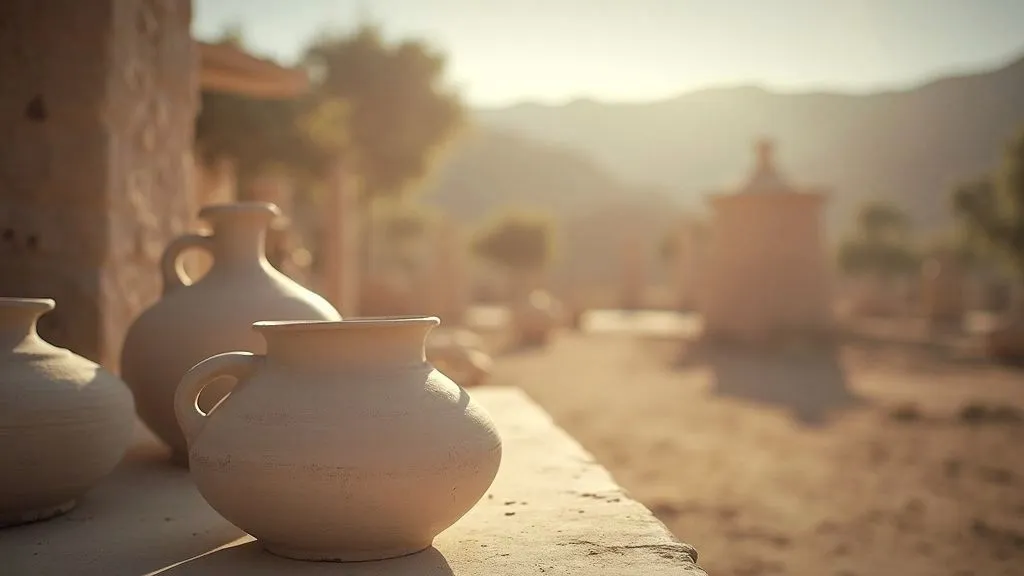
Pottery is a cherished craft that has captivated humans for millennia. Yet, despite its rich history and cultural significance, numerous myths and misconceptions surround this ancient art form. While many people have a basic understanding of pottery, the labyrinth of stories and hearsay can often lead to misunderstanding. This article aims to demystify five prevalent pottery myths, providing clear insights backed by expert perspectives and data points to enrich your appreciation and practice of pottery.
Myth 1: Pottery is Easy to Master
A common belief is that anyone can pick up pottery and become a skilled artisan after a few attempts. While it’s true that throwing a pot on a wheel may seem straightforward in a video, the reality is much more nuanced.
According to the American Craft Council, the learning curve for pottery can be steep. Master potter Jane O’Leary notes that “pottery involves not just physical skill but a deep understanding of materials, chemistry, and the firing process.” On average, it can take about 2-5 years of consistent practice to develop proficiency in techniques like throwing, glazing, and firing.
Understanding the Skills Required
- Handbuilding vs. Wheel-Throwing: Each requires distinct techniques and muscle memory.
- Clay Preparation: The initial steps, such as wedging the clay to remove air bubbles, are critical to successful pottery.
- Firing Process: The transition from clay to ceramic involves complex chemical changes that demand a solid understanding of kiln operation.
This myth overlooks the dedication required to master pottery and the myriad factors that can influence the outcome of a piece.
Myth 2: You Can Only Use One Type of Clay
Many novice potters presume that there is a universal clay type suitable for all projects. This misconception undermines the vast diversity of clay available today, each with unique properties and suitable applications.
Types of Clay
- Earthenware: This clay body fires at a lower temperature and is porous. It’s ideal for decorative pieces but not suited for functional stoneware.
- Stoneware: Known for its durability and non-porous nature, stoneware can handle functional items like dishes and mugs.
- Porcelain: Often associated with fine art and intricate designs, porcelain demands high firing temperatures and offers a translucent finish.
In a survey conducted by the Pottery Association, 72% of potters reported using multiple clay types in their work to achieve specific aesthetic or functional results. As expert potter Rafael Bowers states, “The choice of clay directly influences the piece’s final appearance, strength, and usability.”
By limiting oneself to a single clay type, a potter constrains their creative potential.
Myth 3: All Pottery is Functional
While pottery has historically served functional purposes—think of bowls, plates, and vases—the notion that all pottery must serve a purpose is misleading. Contemporary pottery has expanded to embrace artistic expression that prioritizes aesthetics over utility.
The Role of Functional vs. Non-Functional Pottery
- Functional Pieces: Items designed for everyday use, such as dinnerware or plant pots.
- Non-Functional Art: Sculptural works or decorative pieces that may emphasize form, texture, or color without practical use.
According to a report by the International Ceramics Festival, over 60% of potters are now focusing on non-functional art, exploring themes of identity, nature, and culture through their work.
Artist Clara Lee explains, “While functional pottery has its merits, the freedom to create purely for expression allows for exploration of deeper concepts.”
This shift reflects a significant evolution in the pottery landscape, enabling a richer dialogue between the artist and their audience.
Myth 4: Pottery Glazes are Just Paint
An often-overlooked aspect of pottery is the misconception that glazes are akin to paints that can be applied without consideration of their chemical properties or interactions. In truth, glazes are complex mixtures of minerals, oxides, and silicates that undergo transformations during firing.
Understanding Glaze Chemistry
- Components: Glazes typically consist of silica, alumina, and fluxes that help lower the melting point.
- Chemical Reactions: Different clay bodies and firing conditions can yield unexpected results. For instance, a glaze may look one way when applied to stoneware and entirely different on earthenware.
Research published in the Journal of Materials Science highlights that glaze failures often stem from a lack of understanding of these interactions. Glaze expert Mark Johnson notes, “A wrong combination can lead to undesirable results, like crazing or pinholing, which can fundamentally alter the piece.”
To unlock the potential of glazes, artists must delve into glaze chemistry, experimenting to achieve desired effects.
Myth 5: Pottery is Always Time-Consuming
Another common myth is that pottery is inherently time-intensive, suggesting it is difficult to produce quality items quickly. While it’s true that some pieces require more time, such as intricate sculptures or high-fired stoneware, many methods allow for efficient production without compromising quality.
Efficient Techniques in Pottery
- Slab Building: Utilizing pre-rolled slabs can speed up construction for functional ware.
- Casting: Slip casting allows potters to reproduce forms quickly and with less hands-on time.
- Batch Processing: Making multiple pieces in a single firing can streamline the workflow significantly.
Potter Emily Huang states, “I often create production runs of items that are popular in my shop. This approach not only saves time but also allows me to refine my processes.”
In a poll of pottery students, 58% reported that learning efficient techniques transformed their approach to creating, allowing for more exploration and creativity.
Conclusion: The Truth Behind Pottery Myths
Understanding pottery involves peeling back layers of myth to reveal the rich and intricate nature of this craft. Pottery is not merely an activity but a profound intersection of art, science, and culture.
Embracing the realities of pottery—whether it be the time required to master techniques, the variety of clays available, or the complexity of glazes—can significantly enhance both your practice and appreciation of the craft.
By debunking these common pottery myths, we open the door to a deeper understanding of what it truly means to be a potter. Whether you are a beginner or an experienced artisan, recognizing the truth behind these myths not only enriches your creative journey but also connects you to a longstanding tradition that continues to evolve today.
Expert Insights and Personal Reflections
Pottery is a deeply personal endeavor for many, and the narratives shared by potters often carry wisdom borne from years of experience. Engaging with the community—whether it be in workshops, local studios, or online forums—can provide valuable insights into the craft.
As you embark on or continue your pottery journey, keep these truths in mind. Allow them to inform your practice, inspire your creativity, and deepen your connection to this timeless art form.
Embrace the complexities of pottery and find joy in both the journey and the outcome. As you shape, glaze, and fire, remember that each piece carries a story—both yours and that of the material itself. This understanding transforms the act of pottery from a simple craft into a rich tapestry of cultural expression and personal growth.