
Pottery Myths Unveiled: Separating Fact from Fiction in Ceramics
By Halima Ferreira · · 6 min read
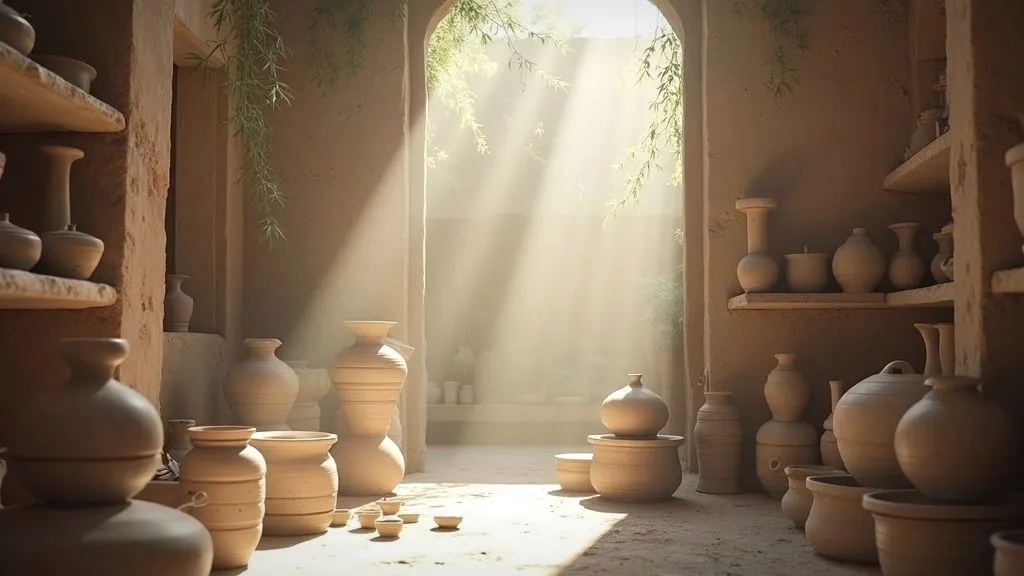
Pottery has been an essential part of human culture for millennia, creating vessels that are both practical and beautiful. However, the craft is often shrouded in misconceptions that can mislead aspiring potters and enthusiasts alike. Let’s peel back the layers of these pottery myths, revealing the truths that can enhance your understanding and passion for ceramics. From the ancient techniques to modern innovations, the world of pottery is rich with history—a history that is often misrepresented.
Pottery Myths and Realities
Myth 1: Pottery is Only for the Artistic
One of the most prevalent pottery myths is the idea that you must be an artist to create pottery. This perception can deter many potential hobbyists and crafters who may believe they lack the “artistic flair” necessary to mold clay into something beautiful.
Reality: Pottery is a skill that can be learned, much like cooking or playing a musical instrument. Renowned potter and educator, Sarah Green, emphasizes that “the beauty of pottery lies not just in the end product but in the process of creation.” Many potters start with basic skills and gradually develop their technique through practice and experimentation.
Additionally, pottery classes are widely available, catering to all skill levels—from beginners to advanced artisans. Community studios and local art schools often provide a supportive environment where newcomers can learn the basics of wedging, throwing, glazing, and firing.
Myth 2: You Need Expensive Tools to Get Started
Another common myth is that the initial investment required for pottery is prohibitively expensive. This can be a significant barrier to entry for aspiring potters.
Reality: While it’s true that professional-grade tools can cost a pretty penny, there are many affordable alternatives. For example, a basic pottery kit can include items like a small wheel, a few tools, and some clay, costing less than a week’s worth of takeout!
According to pottery expert John Hughes, “Many successful potters started with minimal tools. You can create beautiful pieces with just your hands, a rolling pin, and an oven for bisque firing.” Many beginners find that they can even make do with household items, such as kitchen bowls for mixing and a rolling pin for flattening clay.
Myth 3: Pottery is Just About the Wheel
Many assume that the centerpiece of pottery is the potter’s wheel, where the magic happens. This perception can be misleading, as it suggests that wheel-throwing is the only valid technique.
Reality: Handbuilding is an equally valid and rich form of pottery. Techniques like pinch pots, coil building, and slab construction are beautiful and can yield stunning results.
The pinch pot method is particularly accessible and encourages creativity. Newcomers to pottery can quickly learn to create functional and artistic pieces without the need for a wheel. According to potter and instructor Jane Smith, “Handbuilding allows for a unique personal touch that wheel-thrown pots may not always carry.”
The variety in techniques allows potters to express their individuality, showcasing that pottery is not confined to one method.
Myth 4: All Pottery is Dishwasher-Safe
Many consumers assume that all pottery, especially beautifully glazed pieces, can withstand the rigors of a dishwasher. This assumption can lead to disappointment when cherished handmade pottery chips or cracks after a wash cycle.
Reality: The dishwasher safety of pottery often depends on the type of glaze used and the firing temperature. Stoneware and porcelain are generally more durable and can handle dishwasher use better than earthenware, which is typically less robust.
Expert potter Emily Ray explains, “Not all pottery is created equal. High-fired stoneware is generally safe, but low-fired ceramics may not withstand thermal shock.” Always check the manufacturer’s guidelines or consult the potter if you’re unsure about the care instructions for a particular piece.
Myth 5: Pottery Can Be Made from Any Clay
While it’s tempting to think that any type of clay can be used for pottery, this is misleading and can lead to disastrous results in the kiln.
Reality: Different types of clay have unique properties and firing requirements. For instance, earthenware clay is great for handbuilding, while stoneware clay is better for wheel-throwing due to its plasticity.
Pottery educator Michael Turner notes, “Using the wrong clay can lead to warping or cracking during the drying and firing process. Always choose a clay type that aligns with your project goals.” For best results, familiarize yourself with the clay’s properties and experiment to find what works best for your style and technique.
Expert Perspectives on Pottery Myths
To further dismantle these pottery myths, we spoke with several experts in the field, each bringing unique insights to the table.
The Wisdom of Tradition
Many potters believe in the importance of tradition, using techniques passed down through generations. Renowned potter, Samuel Hawkins, shared, “There’s a beauty in preserving ancient methods. However, innovation is equally important. Myths can hinder the evolution of the craft.”
The intersection of tradition and innovation is vital for the growth of pottery as an art form. Potters who embrace both traditional techniques and modern materials can achieve results that would astonish even the most experienced artisans.
The Scientific Angle
Some potters advocate for a more scientific approach to pottery. Dr. Lily Chen, a pottery researcher and professor, emphasizes that understanding the chemistry of clay and glazes can demystify many pottery myths.
“Knowledge is power,” she states. “When potters understand the properties of their materials, they can manipulate them with confidence, allowing for more creativity and less fear of failure.”
Her research highlights common misconceptions about glaze application and the thermal properties of materials, encouraging potters to experiment with new techniques based on scientific principles.
Dispelling Misconceptions with Data
Data can play a critical role in debunking pottery myths. A recent survey of over 500 potters revealed intriguing insights into common beliefs:
-
Artistic Ability: 78% believed that you need to be an artist to create pottery. Yet, 85% of these individuals had taken classes that emphasized the learnability of the craft.
-
Initial Costs: Among potters surveyed, 67% reported spending less than $200 on their first pottery kit, smashing the myth that costs are excessively high.
-
Dishwasher Safety: 57% of participants mistakenly believed that all pottery pieces are dishwasher safe. This indicates a widespread misunderstanding of the properties of different ceramics.
-
Clay Types: Only 43% could identify the proper clay type for their intended techniques, underscoring a need for better education in the craft.
Practical Tips for Aspiring Potters
Armed with the truth about pottery myths, here are some practical tips for those looking to dive into the world of ceramics:
-
Start Small: Choose a basic class that allows you to explore different techniques. Consider handbuilding if you’re intimidated by the wheel.
-
Invest Wisely: Begin with essential tools and expand your collection as you grow more comfortable with the craft. Look for community studios with available equipment for beginners.
-
Ask Questions: Engage with local potters and instructors. They can provide invaluable insights into materials, techniques, and best practices.
-
Experiment: Don’t be afraid to try new methods and styles. Pottery is about trial and error. Every mistake is a learning opportunity.
-
Enjoy the Process: Embrace the tactile nature of working with clay. Enjoy the meditative aspect of molding and shaping your creations.
Conclusion
With a clearer understanding of pottery myths and the realities surrounding them, a new world of opportunities opens up for both novice and experienced potters. Embrace the knowledge that pottery is a craft rooted in tradition yet continuously evolving. The journey to becoming a skilled potter is not solely about the final product but also about the experiences, challenges, and joy of creation.
Whether you’re glazing your first bowl or mastering a difficult throwing technique, remember that pottery is as much about the process as it is about the results. Challenge the myths, explore the truths, and let your creativity run wild in the world of ceramics!
By dispelling these common misconceptions, we hope to inspire a new generation of pottery enthusiasts. Pottery is a craft that welcomes everyone—no artistic pedigree required! So dust off that clay and get ready to shape your own reality.
As an aspiring potter, you hold the power to craft not only beautiful pieces but also a deeper appreciation for the craft itself. Happy potting!