
The Art of Handbuilding Pottery: A Step-by-Step Guide
By Halima Ferreira · · 6 min read
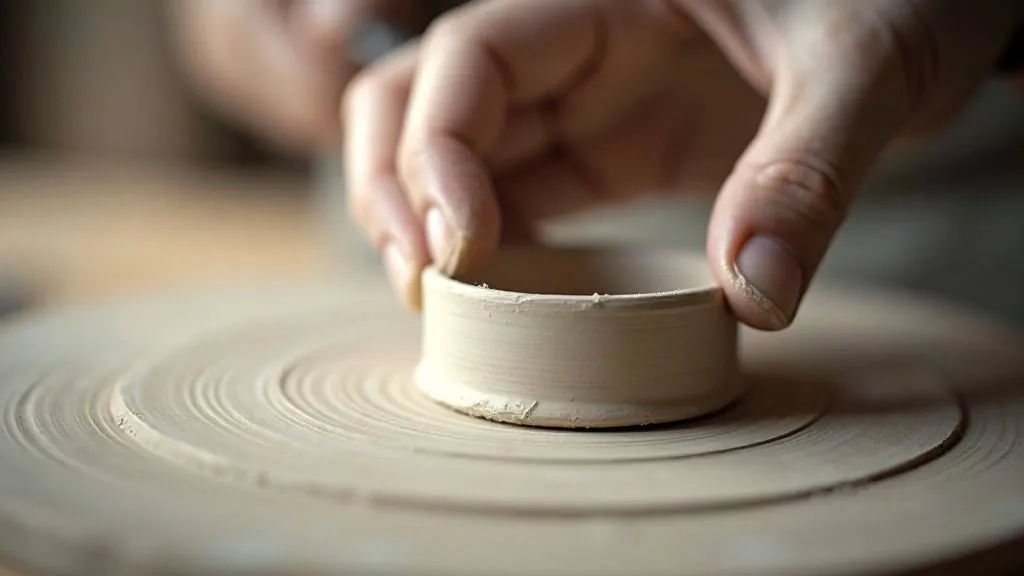
Handbuilding pottery offers a unique opportunity to create ceramic pieces without the use of a potter’s wheel. By employing various techniques such as pinching, coiling, and slab-building, artisans can express their artistic visions and produce functional or decorative items. This guide aims to provide an in-depth look at handbuilding pottery, from initial steps to finishing touches, ensuring you have all the knowledge you need to embark on your pottery journey.
Understanding Pottery Clay
Before delving into handbuilding techniques, it is essential to familiarize yourself with the types of clay available. The choice of clay can significantly affect the final outcome of your pottery piece. Below are the main types commonly used in handbuilding:
-
Earthenware: This clay is easy to work with and fires at low temperatures (around 1,830°F or 1,000°C). Ideal for beginners, earthenware can produce vibrant colors when glazed.
-
Stoneware: A versatile clay that fires at a mid-range temperature (around 2,192°F or 1,200°C). It is durable, making it suitable for functional ware like dishes and mugs.
-
Porcelain: Known for its strength and translucence, porcelain requires higher firing temperatures (around 2,392°F or 1,300°C). This clay is preferred for fine, delicate pieces but can be challenging for beginners.
Selecting the Right Clay for Your Project
When beginning your handbuilding pottery journey, consider your project goals. If you aim to create decorative art pieces, earthenware may suffice. For functional pottery, stoneware is often the best choice due to its durability. Porcelain may be reserved for more advanced projects.
Essential Tools for Handbuilding Pottery
Having the right tools can make a significant difference in your handbuilding experience. Here’s a list of essential tools you will need:
-
Clay: Choose your preferred type based on your project.
-
Palette Knife: Useful for cutting and shaping clay.
-
Rolling Pin: For flattening slabs of clay.
-
Sponge: Great for smoothing surfaces and adding moisture.
-
Wire Cutter: To slice off chunks of clay.
-
Needle Tool: Perfect for adding details and textures.
-
Ruler: Useful for measuring and ensuring even slabs.
-
Bat or Platter: Provides a stable surface to work on.
-
Apron: Protect your clothing from clay dust and stains.
-
Water Container: Keeps your hands and tools wet while working.
Optional Tools
- Stamping Tools: For creating texture and patterns.
- Texturing Mats: To imprint designs on your clay.
Step-by-Step Techniques for Handbuilding Pottery
1. Pinching Technique
The pinching method is likely the simplest and most direct handbuilding technique. It involves shaping clay by pinching it into the desired form.
Step-by-Step Process:
-
Start with a Ball of Clay: Roll a ball about the size of a tennis ball.
-
Create an Opening: Press your thumb into the center of the ball, creating a small hole.
-
Pinch and Rotate: Use your thumb and fingers to pinch the walls of the clay, rotating it to maintain an even thickness.
-
Shape Your Piece: Continue pinching and forming until you reach your desired shape, whether a small bowl or a more complex form.
-
Smooth Edges: Use a sponge to smooth out any imperfections or fingerprints.
2. Coiling Technique
Coiling is a more advanced method that involves rolling out lengths of clay and stacking them to form walls. It’s ideal for creating larger pieces.
Step-by-Step Process:
-
Prepare Your Clay: Begin with a wedge of clay, kneading it to eliminate air bubbles.
-
Roll the Coils: Using your hands, roll the clay into long, even coils. Aim for a uniform thickness of about half an inch.
-
Build Up Walls: Start by placing one coil on top of another, gently pressing them together. Make sure to blend the seams to create a smooth surface.
-
Continue Building: Keep adding coils to reach your desired height and shape. Ensure the walls are even, adjusting as necessary.
-
Refine the Shape: Use your fingers or tools to smooth the exterior and interior surfaces.
3. Slab-Building Technique
The slab-building technique involves creating flat pieces of clay that are then assembled to form an object, such as a box or a plate.
Step-by-Step Process:
-
Roll Out Slabs: Use a rolling pin to flatten your clay to the desired thickness. Aim for about a quarter-inch thick.
-
Cut Shapes: Use a ruler and knife to cut out the necessary pieces for your project.
-
Join the Slabs: Use the score-and-slip method—score the edges with a needle tool, apply slip (a mixture of clay and water), and press edges together.
-
Create a Structure: Assemble your pieces. For instance, if making a box, join four slab walls to a base.
-
Finishing Touches: Smooth out joints and edges with a sponge, ensuring a clean finish.
Drying and Firing Your Pottery
Once your piece is shaped, it’s crucial to allow it to dry properly to avoid cracking.
Drying Process
-
Air Drying: Place your pottery piece on a drying rack. Cover it with plastic to slow down the drying time, allowing for even moisture loss.
-
Monitor Dryness: Once the piece becomes leather-hard, you can refine your details.
Firing Pottery
Firing is the process of heating your pottery in a kiln to harden it.
-
Bisque Firing: The first firing that converts your clay from raw to ceramic. It typically occurs at temperatures around 1,830°F (1,000°C).
-
Glazing: After the bisque firing, you can apply glaze to your pottery for color and finish.
-
Glaze Firing: A second firing at higher temperatures (up to 2,300°F or 1,260°C) to melt the glaze and fuse it to the surface.
Expert Insight on Firing
According to expert potter Maria Johnson, “The transition from clay to ceramic is magical. Each piece transforms in the kiln, revealing unexpected beauty and strength. This is where the artist’s vision truly comes to life.”
Finishing Your Pottery
After firing, your pottery might need additional finishing touches. Here are some techniques to consider:
Sanding
Use fine-grit sandpaper to smooth rough edges or surfaces. Be gentle to avoid scratching.
Painting and Decoration
Decorate with underglazes or acrylic paints. Always seal with a food-safe clear glaze if the piece is intended for practical use.
Sealing
If using non-food-safe glazes, apply a clear sealant suitable for ceramics to protect your work.
The Role of Kilns in Pottery
Kilns are integral to pottery-making. Understanding their types can broaden your capabilities as an artisan.
-
Electric Kilns: Popular for home studios, they offer precise temperature control.
-
Gas Kilns: Provide unique atmospheric effects and are preferred by some for their results.
-
Wood Kilns: Create distinct finishes and textures, desired for their organic results but require more skilled operation.
-
Raku Kilns: Used for a specific firing technique that results in unique colorings and crackling effects.
Choosing the Right Kiln
Your choice of kiln greatly affects your pottery. Electric kilns are often best for beginners, while gas and wood kilns provide advanced options for experienced potters seeking specific results.
Troubleshooting Common Issues
Even the most experienced potters encounter challenges. Here are some common problems and solutions:
-
Cracking: Caused by uneven drying. Ensure consistent moisture levels and avoid drafts.
-
Warpage: Often due to uneven thickness. Aim for uniformity when shaping.
-
Bubbles in Glaze: Result from applying glaze too thickly. Thin coats are preferable.
-
Glaze Not Firing Properly: Double-check the glaze compatibility with your clay type and firing temperature.
Conclusion
Handbuilding pottery is a rewarding art form that allows for unlimited creativity. By mastering the various techniques and understanding the materials and processes involved, you can create beautiful, functional pieces that reflect your personal style. Experimentation is key; don’t hesitate to try new ideas and methods.
Embarking on this pottery journey not only enhances artistic skills but also provides a satisfying way to connect with the timeless craft of ceramics. Whether you choose to create whimsical art or practical ware, each piece tells a story of dedication and creativity, inviting others to appreciate the beauty of handmade pottery.