The Evolution of Pottery Techniques: A Historical Perspective
By Halima Ferreira · · 5 min read
Pottery techniques have evolved dramatically over millennia, reflecting significant changes in culture, technology, and artistry. The study of these techniques not only tells us about the material culture of past societies but also offers insights into the evolution of human civilization itself. As we delve into the intricate world of pottery, we will explore its history, development, and enduring relevance.
A Brief History of Pottery
Pottery is one of humanity’s oldest crafts, with evidence of its existence dating back to approximately 29,000 BCE. Archaeological finds, such as the Venus of Dolní Věstonice, illustrate that early humans used fired clay not only for practical purposes but also for artistic expression.
Early Pottery: Functional and Artistic
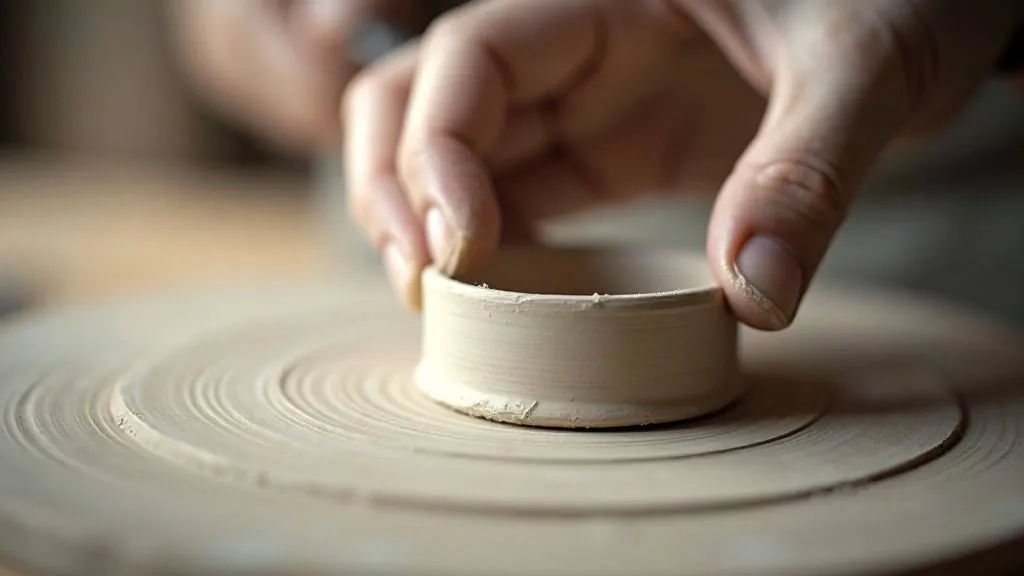
The earliest pottery was primarily functional. Early humans used unglazed clay vessels for food storage, cooking, and other daily activities. The formation of these rudimentary pots involved hand-building techniques, such as coiling and pinching.
- Coiling: A method where rolled pieces of clay are stacked and smoothed together.
- Pinching: A technique involving the use of fingers to shape the clay into a desired form.
As societies progressed, pottery began to evolve into an art form. The advent of agriculture around 10,000 BCE further transformed pottery’s role; as humans settled, the need for storage vessels increased. This shift led to the emergence of distinct pottery styles across different cultures.
Technological Advances in Pottery
The technological evolution of pottery is marked by several key developments:
-
Firing Techniques: Initially, pottery was air-dried. The discovery of firing clay in kilns drastically improved the durability and functionality of pottery. The earliest known kilns date back to around 6,500 BCE in Asia.
-
Glazing: By the third millennium BCE, potters began to experiment with glazing techniques, which enhanced the aesthetic appeal and functionality of pottery. Glazed ceramics were less porous and more suitable for containing liquids.
-
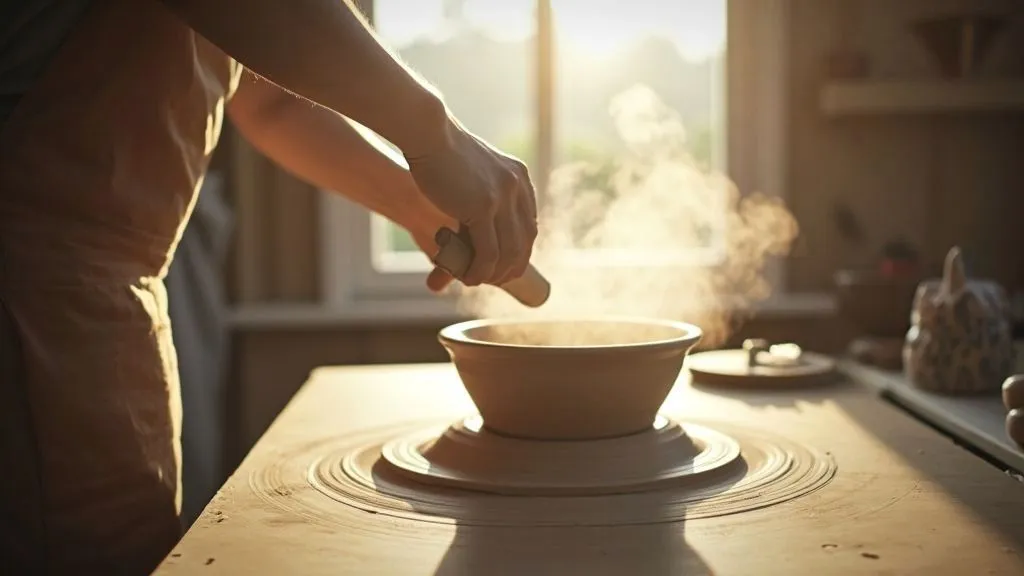
Wheel-Throwing: The introduction of the potter’s wheel during the late Neolithic era in Mesopotamia revolutionized pottery-making. This innovation allowed for greater precision and speed, enabling the mass production of uniform pots.
Regional Variations in Pottery Techniques
As pottery spread across the globe, diverse cultures developed their unique methods and styles. Regional variations reflect local resources, climate, and cultural practices.
East Asia
In East Asia, particularly in China, pottery techniques evolved rapidly. The Shang dynasty (1600-1046 BCE) saw advancements in high-fired stoneware and the creation of intricate celadon glazes. The distinctive blue-and-white porcelain, which emerged during the Ming dynasty, became highly sought after worldwide.
- Expert Insight: Dr. Lin Zhang, a ceramics historian, states, “The artistry of Chinese pottery lies in its fusion of form and function, creating pieces that are both utilitarian and beautiful.”
Middle East
The Middle Eastern pottery tradition is characterized by intricate designs and vibrant colors. The Islamic Golden Age (8th to 14th centuries) brought about innovations in pottery decoration techniques, including lusterware and intricate tile work.
- Data Point: By the 10th century, potters in Iraq were producing lusterware that was so highly prized it was exported across Europe and Asia.
Europe
European pottery styles evolved significantly during the Renaissance (14th to 17th centuries). Italy became famous for its majolica, painted pottery known for its bright glazes and intricate designs.
- Expert Perspective: Renowned potter Giovanni Rossi remarks, “Renaissance pottery represents a cultural renaissance, where art and craft intertwined to create something truly magnificent.”
Contemporary Pottery Techniques
Despite the technological advancements of the modern era, traditional pottery techniques remain highly valued. Contemporary potters often blend old-world craftsmanship with modern aesthetics.
Handbuilding vs. Wheel-Throwing
Modern potters frequently choose between handbuilding and wheel-throwing techniques:
- Handbuilding: This method allows for greater creativity, enabling potters to create unique, sculptural forms.
- Wheel-Throwing: While it produces uniform pieces, many contemporary artisans are pushing the boundaries of this technique, creating intricate designs that challenge the conventional notions of symmetry and balance.
Sustainable Practices
As the global focus shifts toward sustainability, many potters are now adopting eco-friendly practices. This includes using locally sourced clay, natural glazes, and renewable energy for kiln firing.
- Data Point: A survey conducted in 2023 found that 72% of potters prioritize sustainability in their practice, showcasing a significant shift towards environmental responsibility.
The Cultural Significance of Pottery
Pottery is not just a practical craft; it plays a vital role in cultural identity and heritage. Many societies use pottery in rituals, celebrations, and everyday life, embedding cultural stories and identities within the clay.
Pottery in Rituals
In various cultures, pottery serves ceremonial purposes. For example, in African communities, pottery is often used in marriage traditions. These pots may be decorated with specific symbols that convey messages regarding lineage and family.
- Expert Insight: Anthropologist Dr. Amina Diallo notes, “In many African cultures, pottery is a form of storytelling. Each piece carries the weight of history and tradition.”
Educational Impact
Pottery education has gained momentum in schools and community programs, underscoring the art form’s role in fostering creativity and self-expression.
- Data Point: A recent study indicated that pottery workshops helped improve mental well-being in participants by 65%, promoting mindfulness and creativity.
The Future of Pottery Techniques
The future of pottery is a blend of tradition and innovation. Emerging technologies, such as 3D printing, are influencing the ways in which potters create, pushing the boundaries of design and aesthetics.
-
3D Printing: Rapid prototyping technologies allow for complex forms that would be difficult to achieve with traditional methods. This opens up new avenues for artistic expression.
-
Augmented Reality: Some potters are experimenting with augmented reality to visualize designs and showcase their work in innovative ways.
-
Cross-Cultural Collaborations: Globalization enables potters from various backgrounds to share techniques and ideas, resulting in hybrid styles that enrich the art form.
Conclusion
The evolution of pottery techniques reflects humanity’s journey through time. From functional vessels used by ancient peoples to contemporary artistic expressions, pottery remains a vital cultural artifact. As we embrace new technologies and maintain traditional practices, the future of pottery is ripe with potential.
Exploring pottery techniques not only reveals the craftsmanship and creativity involved but also cultivates an appreciation for the stories embedded in each piece. The potter’s wheel continues to spin, weaving together past and future in a narrative that is distinctly human.
As pottery evolves, it remains crucial to honor the techniques of the past while adapting to the needs and aesthetics of the present. Whether through the hands of a traditional artisan or a modern innovator, pottery will continue to shape our understanding of culture, art, and community for generations to come.