
The Therapeutic Benefits of Pottery: Healing Through Clay
By Halima Ferreira · · 7 min read
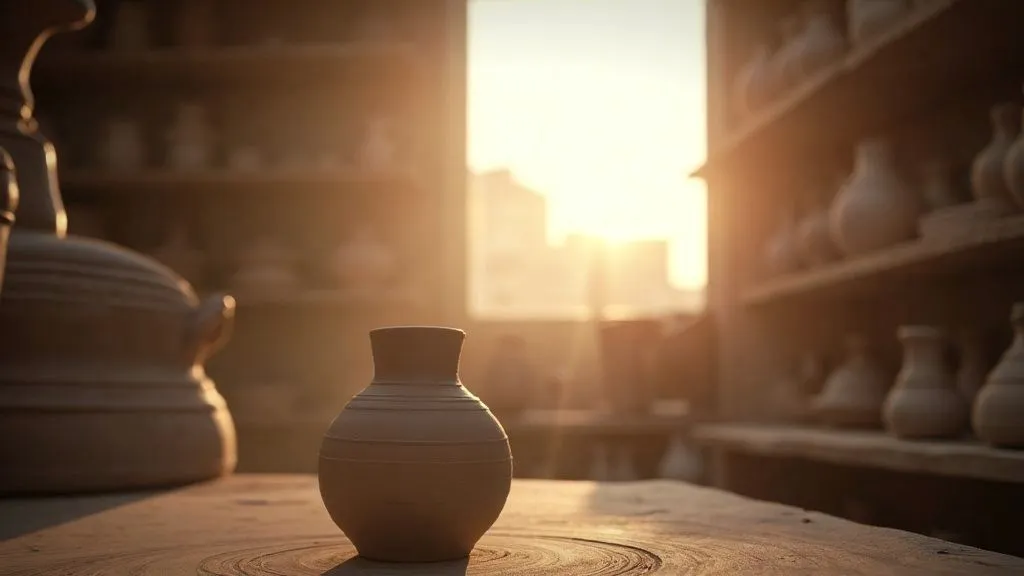
Pottery serves as more than just a medium for creating art; it embodies a therapeutic outlet for countless individuals. The therapeutic benefits of pottery have gained recognition, transcending mere aesthetics to touch on psychological and emotional healing. Engaging with clay offers a unique fusion of creativity and mindfulness, allowing practitioners to explore their emotions and sense of self. This article will delve into the specific therapeutic benefits of pottery, drawing upon expert perspectives, empirical data, and real-life accounts.
Pottery’s healing attributes can be traced back centuries. Ancient civilizations recognized the transformative power of clay, utilizing it for ritualistic and artistic purposes. Today, this ancient practice is increasingly acknowledged within therapeutic contexts. Research indicates that engaging in artistic activities, including pottery, can significantly enhance mental well-being. In fact, a study published in the Journal of Health Psychology found that art materials can reduce anxiety and improve mood, providing a solid foundation for understanding pottery’s therapeutic role.
The Mindfulness Connection
At the heart of the therapeutic benefits of pottery lies the concept of mindfulness. When individuals work with their hands, whether shaping a delicate bowl or molding a robust vase, they often enter a state of flow—a term coined by psychologist Mihaly Csikszentmihalyi that describes the serene focus individuals achieve during creative activities. This state not only allows for deep concentration but also fosters a profound sense of calm.
As Dr. Linda E. Jones, a psychologist and art therapy expert, notes: “Pottery is an excellent medium for mindfulness practice. The tactile nature of clay encourages individuals to be present in the moment, grounding them in their physical environment. It becomes a powerful tool to combat anxiety and stress, as it demands attention to the here and now.”
Moreover, studies indicate that engaging in creative activities like pottery can lower cortisol levels, the hormone linked to stress. A 2016 study published in the British Journal of Occupational Therapy revealed that 81% of participants reported reduced levels of anxiety after engaging in pottery sessions. The rhythmic actions involved in forming and molding clay provide a release for pent-up tension, transforming it into something tangible and, often, beautiful.
Empowerment Through Creation
The process of creating pottery fosters a sense of accomplishment that can boost self-esteem. For many, the ability to shape raw materials into functional or decorative objects serves as a metaphor for personal growth and resilience. As they witness the transformation of clay into something purposeful, practitioners might find empowerment in their own lives—a vital aspect of mental health.
In speaking to this concept, Dr. Sarah Connelly, an occupational therapist, explains: “Creating something from nothing offers a powerful sense of achievement, particularly for individuals facing mental health challenges. Pottery provides a pathway to explore personal narratives through art-making. When someone who struggles with self-worth realizes they can produce a lovely piece of pottery, it often reflects a shift in their self-perception.”
Social Connection and Community
Pottery isn’t merely a solitary endeavor; it often thrives in communal settings. Pottery studios and classes provide opportunities for individuals to connect with others, fostering social interaction and support. This sense of community can be especially beneficial for those dealing with loneliness or social anxiety.
Engaging with others in a shared creative space can lead to friendships and networks of support. Group pottery classes allow for collaboration and shared experiences, adding to the therapeutic benefits. According to a report from the National Endowment for the Arts, community-based arts programs, including pottery workshops, can significantly enhance social cohesion and reduce feelings of isolation among participants.
Local potter and community organizer Miguel Alvarez states, “Pottery brings people together in ways that few other activities can. In a pottery class, everyone comes with their own background and story, but they leave with something created together. That connection is what makes the experience truly rewarding.”
Cognitive Benefits
Beyond emotional and social advantages, working with pottery engages multiple cognitive processes. The intricate thinking required for shaping clay, glazing, and firing pieces stimulates brain activity, improving coordination and fine motor skills. This aspect is particularly valuable for older adults looking to maintain cognitive function or individuals recovering from neurological conditions.
A study in the Journal of Applied Gerontology highlighted how engaging in art-based activities, including pottery, contributed to cognitive improvements in aging adults. Participants exhibited enhanced memory and problem-solving skills after partaking in regular pottery sessions, indicating that the therapeutic benefits of pottery extend beyond emotional healing.
Counterarguments and Challenges
Despite the compelling evidence supporting the therapeutic benefits of pottery, some may argue that the practice isn’t universally effective or accessible. For those with limited mobility, mental health issues, or financial constraints, the idea of engaging in pottery may seem daunting or unattainable.
However, many studios now offer adaptive programs tailored for individuals with disabilities. Additionally, community initiatives often provide low-cost or free classes to encourage broader participation. The argument that pottery isn’t accessible fails to account for the growing movement towards inclusivity in art therapy.
Moreover, certain individuals may initially resist the notion of using creativity as a form of therapy, believing they aren’t “artistic” enough. Yet, pottery emphasizes the process rather than the final product. Dr. Emily Carter, an art therapist, emphasizes this point: “The act of creating is what matters. Pottery teaches us that there is no wrong way to express ourselves through clay. The therapeutic benefits come from engagement, not perfection.”
Strengthening Resilience
Resilience is a crucial component of mental health, and pottery can cultivate this trait through its inherent challenges. Pottery frequently encompasses trial and error; pieces may crack, glaze may not set properly, and forms may collapse. These obstacles teach practitioners patience, perseverance, and adaptability—skills vital for overcoming life’s hurdles.
The experience of working through mistakes in pottery can be likened to navigating challenges in daily life. As practitioners learn to embrace imperfections in their work, they may also learn to accept imperfections within themselves. The transformative potential of pottery goes hand in hand with the cultivation of resilience.
In reflecting on this perspective, artist and educator Hannah Thompson shares, “Every piece tells a story—of struggle, growth, and acceptance. When students see that their ‘failures’ can turn into something unique, it opens their minds to the idea that challenges are part of the artistic journey and life itself.”
The Science Behind Art Therapy
As the world continues to recognize the mental health crisis, art therapy, including pottery, is gaining traction as a viable solution. According to the American Art Therapy Association, art therapy not only helps individuals express emotions but also promotes overall well-being. The use of clay as a medium fits seamlessly within this framework, fostering engagement and self-exploration.
The American Psychological Association emphasizes the need for creative outlets in therapy, stating that “creative expression not only serves as a cathartic release but also enhances problem-solving capabilities.” This critical alignment of psychology and art underscores the therapeutic benefits of pottery, as it provides a creative channel for addressing emotional challenges.
Personal Stories of Transformation
Real-life accounts serve as powerful testimonials to the therapeutic benefits of pottery. For many, engaging with clay has not only offered a creative outlet but has genuinely transformed their lives.
Take the case of 45-year-old Lisa, who turned to pottery after experiencing significant life changes, including a divorce and job loss. “I was lost, overwhelmed by my circumstances. A friend suggested I try pottery, and I found solace in the studio. The process of shaping the clay gave me a sense of purpose. Each time I created something, I felt a little stronger,” she shares.
Lisa went on to establish a local pottery group, helping others in her community find the same sense of healing. Her story reflects the impact of pottery not only on individual mental health but also on community building.
Another poignant example is that of Tom, a veteran suffering from PTSD. He found that working with clay allowed him to channel his emotions in a safe space. “When I’m at the wheel, everything else fades away. It’s just me and the clay. It helps me cope with the things I’ve been through,” he explains. Tom’s journey exemplifies how pottery can serve as a therapeutic tool for trauma recovery.
Conclusion: Embracing the Healing Power of Clay
The therapeutic benefits of pottery are vast and multifaceted, encompassing emotional, cognitive, and social dimensions. Engaging with clay offers individuals the opportunity to exercise creativity while nurturing mindfulness, resilience, and community connection.
As more people recognize the mental health advantages of pottery, the movement towards integrating creative outlets in therapeutic practices will likely continue to grow. Pottery isn’t just about creating beautiful objects; it’s about healing and transformation.
So, whether you’re a seasoned potter or a curious newcomer, consider the therapeutic journey that awaits you in the world of clay. The next time you sit at the wheel, remember: every twist of the clay can echo the twists of life itself, offering not only a reflection of creativity but also a pathway to healing.