
Mastering Pottery: A Beginner's Guide to Creating Clay Art
By Halima Ferreira · · 6 min read
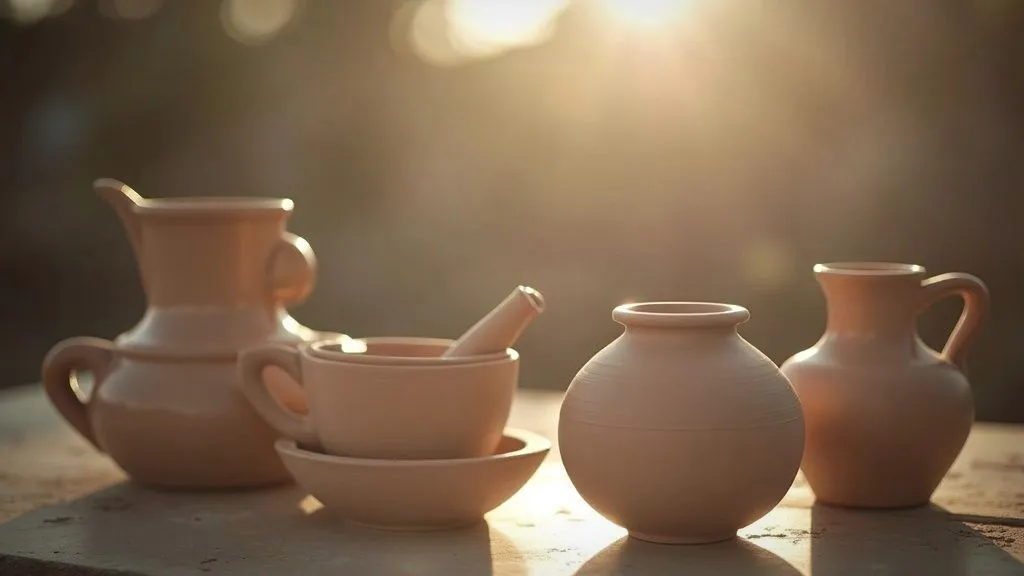
Creating pottery is an age-old art form that bridges creativity and craftsmanship. For those venturing into this captivating world, understanding the essentials of pottery for beginners can be both enlightening and fulfilling. This guide will take you through the fundamental aspects of pottery, from materials and techniques to tools and tips for crafting your first pieces.
Understanding Pottery: An Ancient Craft
Pottery, one of humanity’s oldest crafts, dates back over 20,000 years. The ability to mold clay into functional or artistic forms has been integral to cultures around the world. From ancient civilizations such as the Mesopotamians and Egyptians, who created pottery for storage and cooking, to modern potters who use it as a medium for artistic expression, pottery remains relevant.
The Basic Types of Pottery
Pottery can be categorized into several types based on the firing temperature and glaze used. Here are the primary categories:
-
Earthenware: Fired at low temperatures (around 1,830°F/1,000°C), earthenware is porous and often coated with colorful glazes. Known for its versatility, it’s excellent for beginners.
-
Stoneware: Fired at higher temperatures (around 2,192°F/1,200°C), stoneware is durable and non-porous. Its earthy textures and colors make it popular for functional pieces.
-
Porcelain: This fine, high-fired clay (over 2,400°F/1,300°C) is renowned for its translucence and strength. While it offers stunning aesthetic qualities, it can be challenging for beginners.
-
Raku: A Japanese technique that involves removing pottery from the kiln while still glowing and placing it in combustible materials. This method creates unique finishes and effects but requires a specific firing setup.
Essential Tools for Pottery Beginners
Starting your pottery journey requires a few essential tools. Here’s a breakdown of what you’ll need:
-
Clay: A good quality clay is fundamental. For beginners, earthenware or stoneware clay is a great choice.
-
Potter’s Wheel: If you plan to throw pots, a potter’s wheel is essential. Manual and electric options are available based on your budget and preference.
-
Kiln: Required for firing your pottery. You can find electric kilns suited for beginners or consider local studios that offer kiln access.
-
Basic Hand Tools: These include a wire cutter, sponge, rib, needle tool, and trimming tools. Each serves a specific purpose in shaping and finishing your pieces.
-
Glazes: Once your pieces are bisque fired, choosing the right glaze can elevate your work. Experimenting with colors and finishes is part of the joy of pottery.
-
Apron and Cloth: Keep your workspace tidy and protect your clothes. A simple cotton apron can be a stylish and practical choice.
Getting Started: The Pottery Process
Embarking on your pottery journey involves several steps, each contributing to the final product. Here’s a step-by-step guide:
1. Preparing the Clay
Before crafting, knead your clay to remove air bubbles. This process, called wedging, ensures an even distribution of moisture and consistency throughout the clay.
2. Shaping Your Piece
-
Using a Potter’s Wheel: Center the clay on the wheel and apply pressure with your hands to guide the clay upward and outward. This takes practice, but soon you will master the art of throwing.
-
Hand-Building: For a more tactile approach, consider hand-building techniques like pinching, coiling, or slab construction. These methods allow for greater creativity and personal expression.
3. Drying
After shaping, let your piece dry to a leather-hard state, where it can still be carved or altered but doesn’t bend easily. Monitor your pieces to avoid cracking.
4. Trimming
Trim excess clay from the bottom of your piece. This enhances the aesthetics and functionality of your pottery.
5. Bisque Firing
Once completely dry, your piece goes into the kiln for the bisque firing. This process solidifies the clay and prepares it for glazing.
6. Glazing
After bisque firing, apply your desired glaze. You can dip, brush, or spray glaze, depending on the effect you wish to achieve.
7. Final Firing
The final firing transforms your glazed piece into a durable and beautiful work of art. Maintain proper kiln temperature according to your clay and glaze type.
Common Challenges for Beginners
Pottery for beginners can be rewarding but also presents specific challenges. Here are a few common issues and tips for overcoming them:
-
Cracking: This can occur during drying or firing due to uneven moisture content. Control drying rates by covering your pieces with plastic to slow down evaporation.
-
Warping: Maintain even wall thickness while shaping and avoid excessive throwing pressure. Consistent thickness helps prevent warping during firing.
-
Glaze Fails: Sometimes, glaze may not adhere properly or result in unexpected colors. Experimentation is key, and keeping notes can help you track your successes and failures.
-
Uneven Color: If your glaze appears uneven, it may be due to application techniques. Practice different glazing methods to understand better how to achieve the desired finish.
Expert Perspectives on Pottery for Beginners
To gain more insight into the world of pottery, I reached out to several pottery experts. Their perspectives offer invaluable tips for newcomers.
Emily Rodriguez, a ceramic artist states, “Pottery is as much about the process as the final product. Embrace each step, and don’t be discouraged by imperfections. They often lead to unexpected beauty.”
Michael Green, a pottery instructor, emphasizes, “Community is vital. Joining a local pottery class can provide the support and guidance needed. The camaraderie with fellow potters will enhance your learning experience.”
Sophia Tran, an artisan potter, suggests, “Experiment with different clays and techniques. Each material behaves differently, and discovering your preferred medium will make your work unique.”
The Benefits of Practicing Pottery
Engaging in pottery has numerous benefits, both mental and physical. For beginners, the process provides a creative outlet, contributing to overall well-being. Here are a few benefits:
-
Stress Relief: The tactile nature of working with clay can be meditative. Focusing on shaping your piece allows for a moment of mindfulness and relaxation.
-
Boosting Confidence: Completing a pottery project offers a sense of accomplishment. As you improve, your confidence in your creative abilities will grow.
-
Social Interaction: Joining a pottery class or group fosters connections. Sharing tips and techniques can lead to lasting friendships.
-
Skill Development: Pottery requires various skills, from hand-eye coordination to problem-solving. Each project is an opportunity to develop and refine these skills.
Finding Your Pottery Community
Connecting with fellow potters offers new perspectives and invaluable learning. Here’s how to find your pottery community:
-
Local Pottery Studios: Many have classes for all skill levels. Visiting nearby studios can help you meet fellow enthusiasts and gain hands-on experience.
-
Workshops and Retreats: Look for pottery workshops or retreats that focus on specific techniques or styles. These settings provide concentrated learning experiences and the chance to network.
-
Online Forums and Social Media: Engage with pottery groups on platforms like Facebook or Instagram. Sharing your work and seeking feedback can boost your confidence and inspire creativity.
Continuing Your Pottery Journey
Pottery for beginners opens doors to endless creative possibilities. As you embark on this journey, remember to embrace the process and keep experimenting. Here are some tips to ensure continuous growth:
-
Set Personal Goals: Whether it’s mastering a technique or creating a specific style, setting goals helps maintain motivation.
-
Keep an Idea Journal: Document inspirations, techniques you wish to try, or designs you envision. This journal will serve as a reference and a source of motivation.
-
Explore Advanced Techniques: Once you feel confident, explore advanced techniques such as sculpture, glaze layering, or surface decoration. This evolution will keep your passion alive.
-
Showcase Your Work: Consider participating in local craft fairs or exhibitions. Sharing your work not only validates your effort but also opens avenues for feedback and improvement.
Conclusion: Embrace Your Pottery Passion
Pottery is a beautiful and fulfilling craft that allows self-expression and creativity. By understanding the basics of pottery for beginners, you lay the foundation for a lifelong journey in this ancient art form. From the first time you shape clay to the moment you see your creation emerge from the kiln, each step is a building block in your growth as a potter.
Embrace your pottery passion, connect with the community, and keep exploring. Every piece you create tells a story—yours. So, gather your tools, select your clay, and let your imagination take flight in the world of pottery.