The Art of Pottery: Exploring Techniques and Tools for Beginners
By Halima Ferreira · · 4 min read
Pottery is more than just a creative outlet; it’s an ancient art form that connects us with history and culture. For those who have ever wanted to delve into this craft, understanding the various techniques and tools is crucial. This article will guide you through essential pottery methods, the tools of the trade, and tips for beginners who are eager to create their own ceramic masterpieces.
The Foundations of Pottery Making
Pottery can be divided into two main types: hand-built and wheel-thrown. Each technique offers unique opportunities to express creativity, and beginners should familiarize themselves with both.
Hand-Building Techniques
Handbuilding is often considered the most accessible form of pottery, as it does not require specialized equipment. Here are some popular hand-building techniques:
-
Pinch Pots: This technique involves shaping clay by pinching it with your fingers. It’s ideal for creating small bowls or decorative items. Start with a ball of clay, press your thumb into the center, and gradually pinch the sides to achieve the desired shape.
-
Coil Pots: Coil pots are made by rolling out long, snake-like coils of clay. These coils are stacked on top of one another and smoothed out to create a vessel. This method allows for greater creativity in form and size.
-
Slab Building: In slab building, flat pieces of clay, called slabs, are cut and assembled to create structures. This technique is perfect for making boxes, tiles, or any geometric shapes. Use a rolling pin to evenly flatten your clay before cutting.
Wheel-Throwing Techniques
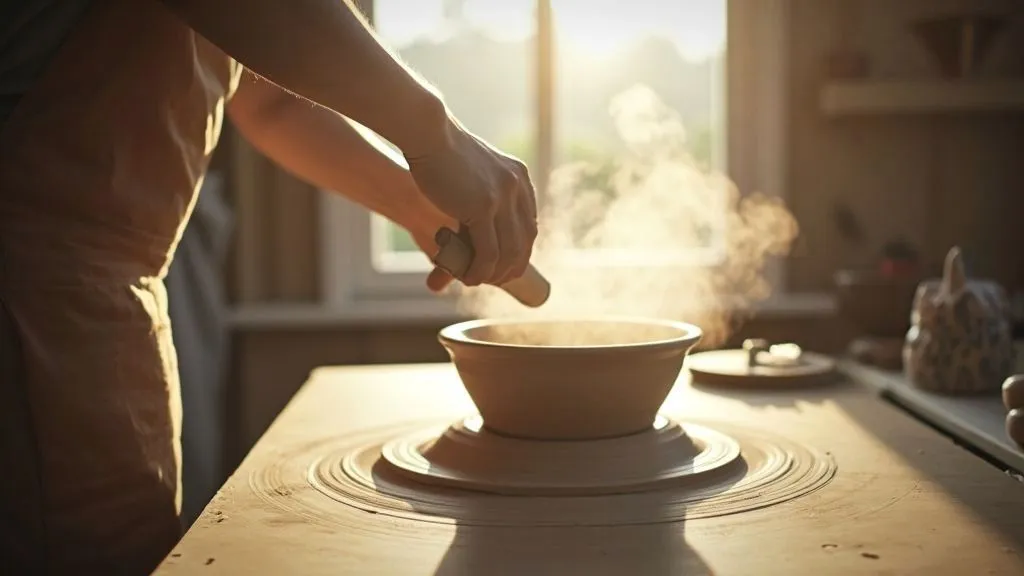
For those who enjoy the rhythm of spinning clay, wheel-throwing is a rewarding experience. While it may require more practice, mastering the potter’s wheel can lead to stunning results.
-
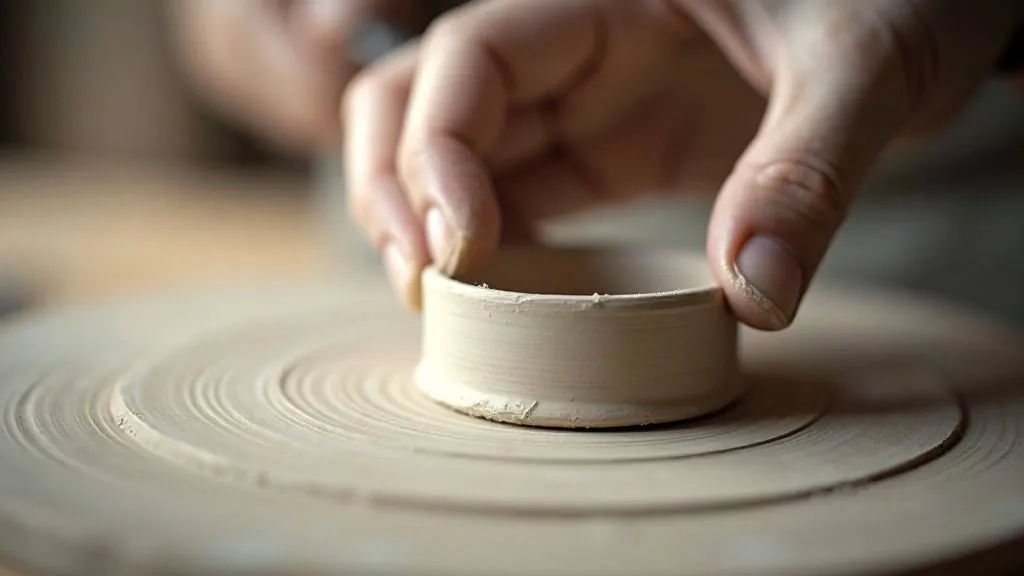
Centering: The first step in wheel-throwing is to center your clay on the wheel. A well-centered piece is essential for creating symmetrical forms. This can be challenging for beginners, but patience and practice will lead to improvement.
-
Opening: Once the clay is centered, the next step is to create the opening. Using your fingers, press down into the center of the clay while keeping it spinning. Gradually expand the opening to the desired diameter.
-
Pulling Up the Walls: After creating the opening, you can pull the walls of the pot upwards. This requires a gentle touch and a steady hand. Practice will help you understand how much pressure to apply to achieve the desired thickness.
Essential Tools for Potters
Having the right tools can significantly enhance your pottery-making experience. Below is a list of essential tools that every beginner should consider:
Basic Hand Tools
-
Pottery Knife: A versatile tool for cutting and trimming clay. A sharp blade is crucial for clean cuts.
-
Wire Cutter: This tool is essential for cutting clay from a larger block or removing your pottery from the wheel.
-
Sponge: A sponge helps in smoothing surfaces and cleaning your hands and work area.
-
Rib: A rib is often made of wood, plastic, or metal and is used for smoothing surfaces and shaping your pottery.
Wheel-Throwing Tools
-
Bat: A bat is a flat disc that attaches to the wheel. It makes it easier to remove your piece from the wheel without damaging it.
-
Calipers: These tools help you measure the dimensions of your pottery accurately, ensuring consistency in size and shape.
-
Trimming Tools: Various trimming tools allow you to refine your piece after it has been thrown on the wheel. These include loop tools and trimming knives.
Glazing and Finishing Tools
-
Glaze Brushes: Fine brushes are essential for applying glazes evenly to your pottery pieces.
-
Sifter: If you plan to mix your own glazes, a sifter will help you achieve a smooth consistency.
Understanding Clay and Glaze
The type of clay and glaze you choose plays a significant role in the final appearance of your pottery.
Types of Clay
-
Earthenware: This is a porous clay that is low-fired and typically used for decorative pieces. It’s easy to work with but not as durable as other clays.
-
Stoneware: A versatile and durable clay that is often used for functional pieces. It can withstand higher firing temperatures and is less porous than earthenware.
-
Porcelain: Known for its smooth texture and fine quality, porcelain is a high-fired clay that is often used for delicate and intricate designs.
Glazes
Glazes add color and finish to pottery while also providing protection. They come in various types, including glossy, matte, and transparent. Experimenting with different glazes can result in stunning visual effects.
Tips for Beginners
Starting your pottery journey can be both exciting and overwhelming. Here are some tips to help you along the way:
-
Start Small: Begin with simple projects. Create small bowls or cups to practice your skills before attempting larger pieces.
-
Practice Regularly: Consistency is key in honing your pottery skills. Regular practice will lead to improvement and confidence in your techniques.
-
Embrace Imperfection: Pottery is an art form, and not every piece will turn out as planned. Embrace mistakes as part of the learning process; they often lead to unexpected creativity.
-
Learn from Others: Take classes or join local pottery groups. Learning from experienced potters can provide valuable insights and inspiration.
Conclusion
Pottery is a fulfilling art form that combines creativity, technique, and a connection to history. Whether you prefer hand-building or wheel-throwing, understanding the essential tools and methods will set you on the path to success. With practice, patience, and a willingness to learn, you’ll find joy in shaping your own unique creations. So gather your tools, choose your clay, and let your artistic journey begin!